John Carpenter
5 works in the index. Averaged across them, John Carpenter operates in THE ANALOG HAUNT territory — built on slow-burn dread and restraint over gore.
The body-of-work fingerprint
The mean of every scored work, which is a blunter instrument than any single title but says something a filmography cannot.
Widest range of the five axes this page reads: VISCERA, spanning 70 points across the work. That is where John Carpenter varies most.
What does John Carpenter do differently from the rest of the index?
The mean of these 5 works against the median of all 320 in the index, on the axes where the gap is worth naming — five of the six. Era bias is left out, because in both of these media it tracks release year too closely to be measuring anything else (r by medium: records 0.958, films 0.948). An era score here is mostly when the work was made, which the year column already says. It is still in the table below. More on how we score, and what the era axis turned out to be.
- Viscera 034 against an index median of 056, 22 points below — leaning toward restraint over gore.
- Reality anchor 035 against an index median of 050, 15 points below — leaning toward grounded realism.
- Pace of fear 044 against an index median of 054, 10 points below — leaning toward slow-burn dread.
Every John Carpenter work we have scored
All six axes. Each runs 0 to 100 and describes what a work is rather than how good it is: Pace dread to shock, Threat inhuman to human, Viscera restraint to explicit, Era analog to modern, Tone bleak to gleeful, Reality grounded to surreal.
| Title | Year | Medium | Pace | Threat | Viscera | Era | Tone | Reality |
|---|---|---|---|---|---|---|---|---|
| Halloween | 1978 | Film | 52 | 62 | 22 | 8 | 30 | 20 |
| Halloween (OST) | 1978 | Record | 48 | 60 | 20 | 8 | 32 | 22 |
| The Fog (OST) | 1980 | Record | 30 | 20 | 18 | 8 | 26 | 50 |
| The Fog | 1980 | Film | 36 | 12 | 24 | 8 | 28 | 44 |
| The Thing | 1982 | Film | 55 | 20 | 88 | 20 | 22 | 40 |
Where does John Carpenter place on the ranked lists?
Best placing for each title on our ranked lists, which sort a single axis at a time: joint #8 analog era (Halloween) · joint #2 supernatural (The Fog (OST)) · joint #8 analog era (The Fog).
Reviewed in full
Every entry above has a review behind it — the ending explained, what it is actually frightened of, and who should skip it.
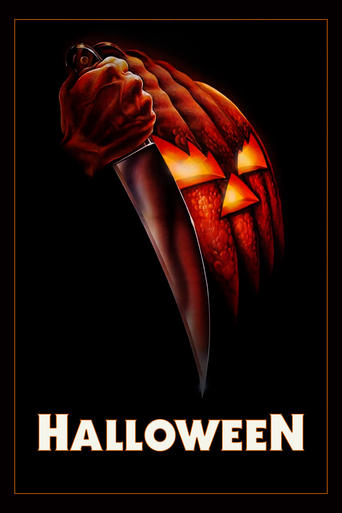
Halloween
John Carpenter · 1978 · Film

Halloween (OST)
John Carpenter · 1978 · Record

The Fog (OST)
John Carpenter · 1980 · Record
The Fog
John Carpenter · 1980 · Film
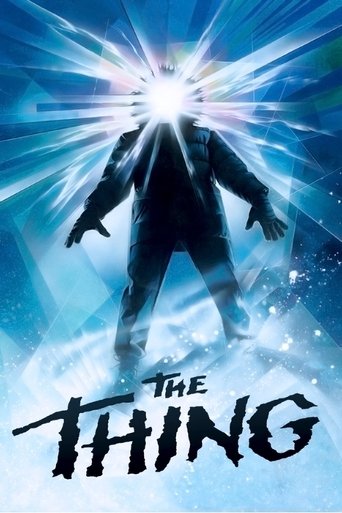
The Thing
John Carpenter · 1982 · Film
Questions about John Carpenter
How many John Carpenter works have you scored?
Five, listed above with all six scores. We score what we have been through in full against a published rubric, so this is not a filmography — it is the part of one this index covers, and it will grow.
What is John Carpenter known for, by the numbers?
Across those five works the clearest signal is viscera at 034 against an index median of 056. The axes are descriptions rather than verdicts, so this says what the work is and nothing at all about how good it is.
Which John Carpenter work is the most extreme?
The Fog (OST), which sits 148 points from dead centre once all six axes are added up — further than anything else here. That is a different question from which is best and a different one again from which is frightening — the scariest page explains why we keep those apart.
Where is John Carpenter most consistent?
On tone, which varies by only 10 points across the work — the narrowest of the five. Widest is viscera at 70 points. A creator with one narrow axis and one wide one is usually telling you which decisions they treat as settled.
See which of these sits closest to your own tape.
Build your tape →