Horror based on a true story, and what the record says
Horror sells the phrase based on a true story harder than any other genre, and in most cases the phrase is doing work the film could not do on its own. This page takes every work in the index that carries the claim and states two things side by side: what was asserted, and what is actually on the record.
Sixteen works here carry a true-story claim. Four of them have a case you can look up underneath them. Three are inventions that were presented as fact, including the one with the most famous card of all — The Texas Chain Saw Massacre, whose only real element is what was found in an unrelated farmhouse in Wisconsin.
16 claims checked · 6 verdicts · the rubric
The six verdicts
A claim is not either true or false. These are the distinctions that actually come up, and every work below sits in exactly one of them.
Follows a real case closely — one work. A case you can look up, kept in its shape. Names and places move; the structure and the outcome do not.
A real case, heavily changed — three works. A single documented case at the root, and almost every incident on screen or on the page invented around it.
A documented claim, not a documented event — one work. Somebody really said this happened and has said so consistently. What is on the record is the testimony, not the events in it.
One real thing, the rest invented — six works. A real crime, a real medical phenomenon or a real name supplies one element. The work around it is fiction.
Built from period documents, not a case — two works. Assembled out of trial records, journals and sermons rather than from any one incident, which is why no case matches it.
Invented, and presented as true — three works. The claim is part of the work. There is no case, and the framing that says there is was made for it.
Every claim, oldest first
| Work | Year | Medium | Verdict |
|---|---|---|---|
| The Haunting of Hill House | 1959 | Book | Built from period documents, not a case |
| Psycho | 1960 | Film | A real case, heavily changed |
| The Exorcist | 1971 | Book | A real case, heavily changed |
| The Exorcist | 1973 | Film | A real case, heavily changed |
| The Texas Chain Saw Massacre | 1974 | Film | One real thing, the rest invented |
| Jaws | 1975 | Film | One real thing, the rest invented |
| A Nightmare on Elm Street | 1984 | Film | One real thing, the rest invented |
| The Girl Next Door | 1989 | Book | Follows a real case closely |
| Candyman | 1992 | Film | One real thing, the rest invented |
| Ghostwatch | 1992 | Television | Invented, and presented as true |
| Ringu | 1998 | Film | One real thing, the rest invented |
| The Blair Witch Project | 1999 | Film | Invented, and presented as true |
| The Strangers | 2008 | Film | One real thing, the rest invented |
| Lake Mungo | 2008 | Film | Invented, and presented as true |
| The Conjuring | 2013 | Film | A documented claim, not a documented event |
| The Witch | 2015 | Film | Built from period documents, not a case |
Case by case
Follows a real case closely — one work
A case you can look up, kept in its shape. Names and places move; the structure and the outcome do not.
The Girl Next Door (1989, book). The claim: A novel about a girl kept and tortured in a suburban basement by a woman and the neighbourhood children. The record: The murder of Sylvia Likens in Indianapolis in 1965, by Gertrude Baniszewski and several children, including Likens' own sister and children from the street. Ketchum moved the state and the decade and changed the names, and kept the structure, the collective participation and the ending. It is the one work here where the record is worse than the fiction, and the reason the novel is the hardest thing in this index to sit with.
A real case, heavily changed — three works
A single documented case at the root, and almost every incident on screen or on the page invented around it.
Psycho (1960, film). The claim: Nothing on the film itself, and a persistent association with a real killer that arrived with the novel. The record: Ed Gein, arrested in Plainfield, Wisconsin in 1957, whose house held human remains made into objects. Robert Bloch was living about thirty-five miles away and wrote the novel from the newspaper account. What carries over is an isolated rural house, a mild man and a mother kept in it. There was no motel, no shower and no Norman Bates, and Gein robbed graves and killed two women.
The Exorcist (1971, book). The claim: The same claim as the film, and the novel is where it starts: Blatty has said the case is what made him write it. The record: The 1949 Maryland case, read in a newspaper and later in a priest's diary. The novel's method is to make an invented possession procedurally convincing, which is why the claim attached to it so easily. Nothing in Regan's case history happened.
The Exorcist (1973, film). The claim: An account of a real exorcism, carried by the novel's reception and by half a century of documentary follow-up. The record: The 1949 exorcism of a 14-year-old boy in Maryland, recorded in the diary of an attending Jesuit and reported in the Washington Post that August. Blatty read the report as a Georgetown student. What he kept is that a church sanctioned a rite and that priests wrote it down. What he changed is the child's sex and age, the city, the family, the priests, and every incident in the book.
A documented claim, not a documented event — one work
Somebody really said this happened and has said so consistently. What is on the record is the testimony, not the events in it.
The Conjuring (2013, film). The claim: The 1971 case of the Perron family in Harrisville, Rhode Island, from the files of Ed and Lorraine Warren. The record: The Perrons have described what happened in that farmhouse consistently for fifty years, and that testimony is the documented part. The content is not: the witch the film names was a real woman buried in Harrisville against whom no accusation, trial or inquest is on record, and the Warrens' case files are a contested source rather than an archive. Members of the family have also disputed the film's version of their own account.
One real thing, the rest invented — six works
A real crime, a real medical phenomenon or a real name supplies one element. The work around it is fiction.
The Texas Chain Saw Massacre (1974, film). The claim: An opening narration stating that what follows is an account of a real tragedy, and a title that has been read as a documentary claim for fifty years. The record: Gein again, and nothing else. The furniture and the masks come from Plainfield; the family, the farmhouse, the van, the chainsaw and the date are invented. Hooper has described the framing as a response to the way violence was being reported rather than as a factual claim, and the marketing kept it because it worked. The most famous true-story card in horror is attached to one of the least factual films in it.
Jaws (1975, film). The claim: A durable belief that the novel is an account of a historical series of attacks. The record: Benchley has said he was aware of the 1916 attacks on the New Jersey shore and of a large shark landed off Montauk in 1964, and denied writing either of them. Amity, Brody and the Orca are invented, and the behaviour of the animal in the film is not the behaviour of the animal in the water.
A Nightmare on Elm Street (1984, film). The claim: No claim on the film, and a widely repeated story that Craven took the premise from the news. The record: Craven has said the idea came from Los Angeles Times reports of young Southeast Asian refugees who died in their sleep after describing nightmares they were afraid to sleep through, later catalogued as sudden unexpected nocturnal death syndrome. That is the whole of it. Freddy Krueger, Elm Street and Springwood are invented.
Candyman (1992, film). The claim: No claim on the film, and a setting that reads as reportage because the housing project in it was real. The record: Clive Barker's source story is set in Liverpool and is fiction. The film relocates it to Cabrini-Green in Chicago and takes one element from the record: the killing of Ruthie Mae McCoy in 1987, who was murdered in a public-housing apartment after reporting an intruder coming through the bathroom cabinet. The hook, the legend and the name are Barker's.
Ringu (1998, film). The claim: No claim, and a name and an ability borrowed from people who existed. The record: The curse is invented. Sadako's name and her power are generally traced to Japanese psychic research of the 1910s -- Tomokichi Fukurai's thoughtography experiments with Sadako Takahashi and Chizuko Mifune, in which subjects were said to expose photographic plates by will. Suzuki's novel takes that idea and puts it on videotape.
The Strangers (2008, film). The claim: No claim on the finished film, and an opening card in the American release asserting one. The record: Bertino has described the origin as a memory from his own childhood: somebody knocking at night and asking for a person who did not live there. There is no case. The card was added to sell it, and the film is more frightening without it, because what it is actually about is that there is nothing to look up.
Built from period documents, not a case — two works
Assembled out of trial records, journals and sermons rather than from any one incident, which is why no case matches it.
The Haunting of Hill House (1959, book). The claim: No claim, and a reputation as the most convincing haunted house in fiction. The record: Jackson has written that the book began with an account she read of nineteenth-century psychic researchers who took a house in order to study it and published what they found, and with her own reading on haunted houses and on architecture. Hill House, Dr Montague and his party are invented, and the research is in the method rather than the material.
The Witch (2015, film). The claim: A closing card describing the film as drawn from period accounts, and a subtitle calling it a New-England folktale. The record: Eggers assembled the dialogue and most of the incidents from seventeenth-century journals, sermons, pamphlets and trial records of New England witch panics. That is a real method and it is why the film sounds the way it does. It is also why no case matches it: the family and everything that happens to them are composed, not reported.
Invented, and presented as true — three works
The claim is part of the work. There is no case, and the framing that says there is was made for it.
Ghostwatch (1992, television). The claim: A live outside broadcast from a haunted house in London, on BBC1, with presenters the audience already trusted. The record: A scripted drama, written by Stephen Volk, recorded weeks in advance and listed as a drama in the schedules but not in the programme itself. The switchboard took tens of thousands of calls, the Broadcasting Standards Council upheld complaints about it, and it is the case usually cited when anybody argues about how far a broadcaster can take a format.
The Blair Witch Project (1999, film). The claim: Three student film-makers went into the woods in 1994 and were never seen again, and this is their footage. The record: All of it was made for the film, including the folklore. There is no Blair Witch, no Rustin Parr and no missing-persons case, and the three film-makers are the three credited actors. The marketing carried the claim further than the film does -- a website, a cable documentary and missing-person listings -- which is why so many people saw it believing it.
Lake Mungo (2008, film). The claim: A documentary about an Australian family after the drowning of their daughter, assembled from their own footage and interviews. The record: Entirely constructed. The Palmers, the town, the inquest and the recovered phone footage were all written and shot for the film, with actors in the interviews. It is the most convincing fake documentary in this index and the one that gets mistaken for a real case most often, because it is also the only one that behaves like grief rather than like a story.
All sixteen, with the scores

The Haunting of Hill House
Shirley Jackson · 1959 · Book
Whatever walked there, walked alone. The gold standard for restraint.
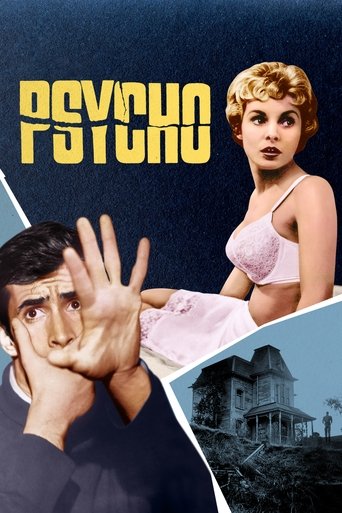
Psycho
Alfred Hitchcock · 1960 · Film
The most famous murder in cinema and the knife never once touches skin.
The Exorcist
William Peter Blatty · 1971 · Book
Half a novel of failed diagnoses, and then a priest who defeats a demon by volunteering.
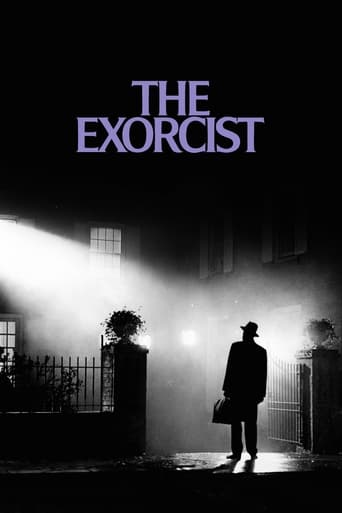
The Exorcist
William Friedkin · 1973 · Film
Faith tested to destruction in a child's bedroom. Still nasty.
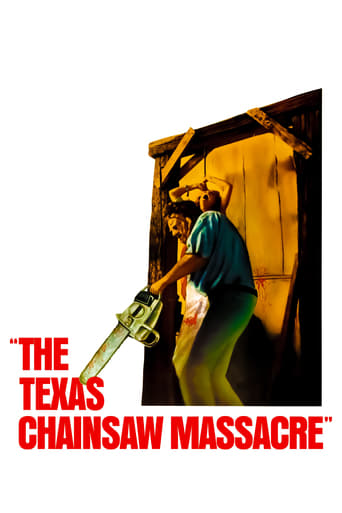
The Texas Chain Saw Massacre
Tobe Hooper · 1974 · Film
16mm heat and grime. Feels found rather than filmed, which is the trick.
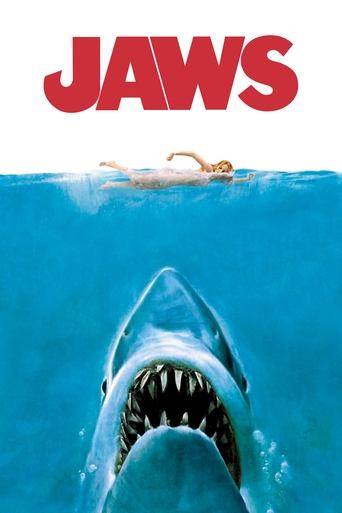
Jaws
Steven Spielberg · 1975 · Film
Attacks you on a clock and shows you almost nothing, because the shark did not work.
A Nightmare on Elm Street
Wes Craven · 1984 · Film
Stay awake. The one place nobody can follow you is the one place he lives.
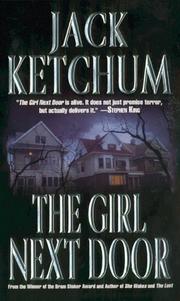
The Girl Next Door
Jack Ketchum · 1989 · Book
Based on a real case. Genuinely hard to defend recommending.
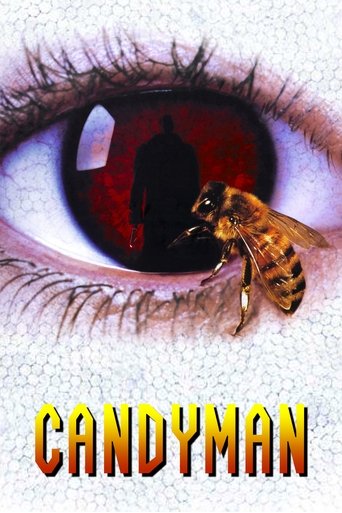
Candyman
Bernard Rose · 1992 · Film
Legend as infrastructure. The city built the monster on purpose.
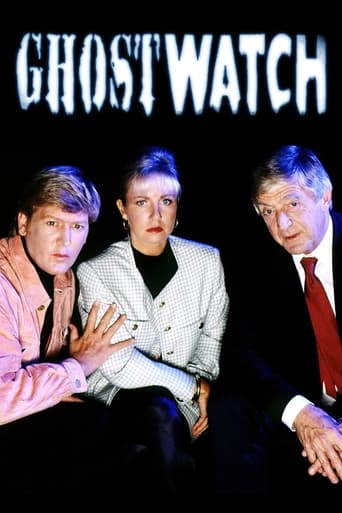
Ghostwatch
BBC · 1992 · Television
A live broadcast hoax that genuinely traumatised a country.
Ringu
Hideo Nakata · 1998 · Film
A curse that spreads like media, because it is media.
The Blair Witch Project
D. Myrick & E. Sánchez · 1999 · Film
Three people get lost and the woods do the rest. Almost nothing is shown.
The Strangers
Bryan Bertino · 2008 · Film
Three people in masks, no motive, and the worst answer in horror: because you were home.
Lake Mungo
Joel Anderson · 2008 · Film
A mock-documentary about grief that hides its worst image in plain sight.
The Conjuring
James Wan · 2013 · Film
A jump-scare machine built with real craft. Shows you almost nothing and still lands.
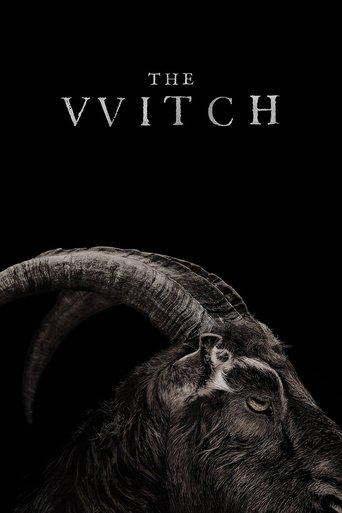
The Witch
Robert Eggers · 2015 · Film
Period-accurate misery and a goat. The family destroys itself first.
Questions about horror based on a true story
Which horror films are actually based on a true story?
Of the sixteen works in this index that carry the claim, four have a case you can look up underneath them. The Girl Next Door follows the 1965 murder of Sylvia Likens closely. The Exorcist, the novel behind it, and Psycho each take one documented case and invent nearly everything around it.
Is The Conjuring a true story?
It is a true account rather than a true event, and the distinction is the whole of it. The Perron family have described what happened in their Rhode Island farmhouse consistently since 1971, and that testimony is real. The witch the film names was a real woman against whom no accusation, trial or inquest is on record, the Warrens' case files are a contested source rather than an archive, and members of the family have disputed the film's version of their own story. See our review.
Is The Texas Chain Saw Massacre based on a true story?
No, despite carrying the most famous true-story card in horror. The only real element is Ed Gein, arrested in Wisconsin in 1957, whose house held human remains made into objects. The family, the farmhouse, the chainsaw, the date and Texas are all invented. Gein killed two women and robbed graves; nothing in the film happened to anybody. The review has the rest.
Which horror films pretend hardest to be real?
Three works here are inventions presented as fact rather than fictions with a real root. The Blair Witch Project built a website and a missing-persons framing around itself, Ghostwatch went out on BBC1 as a live broadcast with presenters the audience trusted, and Lake Mungo is a documentary about a family that does not exist.
Why do so many horror films claim to be true?
Because the claim does work the film would otherwise have to do. A viewer who believes a thing happened cannot fall back on the knowledge that somebody wrote it, which is the same mechanism found footage uses and the reason both arrived in the marketing before they arrived in the scripts. Found footage horror is the format version of the same trick.
Is The Girl Next Door based on a true story?
Yes, and more closely than anything else here. Jack Ketchum built it on the murder of Sylvia Likens, tortured over several months in 1965 in Indianapolis by Gertrude Baniszewski and a group of children including Likens' sister. He changed the names, the state and the decade and kept the structure, the collective participation and the ending. Our review says what that costs to read.
Does a true story make a horror film scarier?
Not by itself, and this index shows no pattern. The works with a real case underneath them sit at opposite ends of the threat axis — The Girl Next Door at 098 and Psycho at 096 against The Exorcist at 008. What a documented case removes is not fear but consolation: there is no author in it who might have arranged a survivor. The same absence runs through the bleakest things we hold.