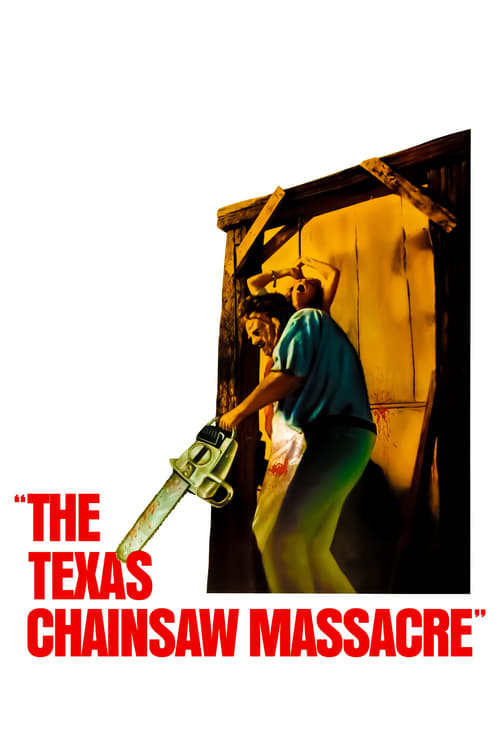
Film · 1974
The Texas Chain Saw Massacre
16mm heat and grime. Feels found rather than filmed, which is the trick.
Most extreme on ERA BIAS — analog-era texture at 004
On VHSCREAM’s six-axis scale, The Texas Chain Saw Massacre (1974) is most extreme on the era-bias axis: 4 out of 100, where 0 is analog-era texture and 100 is modern craft. 3% of the 105 horror works we have scored come in lower on that axis. How we score →
The Texas Chain Saw Massacre is a 1974 horror film directed by Tobe Hooper. Five young people in a van run out of petrol near a farmhouse occupied by a family of former slaughterhouse workers. We score it 004 on era bias — joint-fourth of 105 works — and 092 on the threat axis, because nothing supernatural happens in it at all.
Scored and reviewed by VHSCREAM on · how we score
The Texas Chain Saw Massacre: the review
The Texas Chain Saw Massacre feels found rather than filmed, and that is a manufactured effect rather than an accident of budget.
Hooper shot it on 16mm reversal stock in a Texas summer at forty degrees, in a house furnished with real animal bones and rotting matter, with a crew working seven-day weeks. The grain, the blown highlights, the hand-held camera that cannot quite keep up, the sound mix that is mostly cicadas and generator hum — all of it reads as documentary. Nothing in the index scores lower on era bias than this except a 1960 Hitchcock and some books.
And the film is formally cleverer than its reputation allows. The opening is a narrated title card and flashbulb-lit glimpses of exhumed remains. The first act is an argument in a van about astrology. The dinner sequence runs on sound rather than image — Marilyn Burns screaming for minutes while an old man sucks at her finger — and then it ends, abruptly, in the open, in daylight.
It is not a gore film and never was
This is the single most persistent misunderstanding about it. There is almost no blood. The hammer, the hook and the saw are all largely off-frame or glimpsed. We score it 040 on viscera, below the median film we hold. What it has instead is duration, noise and a refusal to cut away from distress — which produced a banned-in-Britain reputation that a far more explicit film would not have earned.
The family is the best thing in it
Not Leatherface, who is a frightened labourer doing what he is told, but the household around him: a hitchhiker with a photographic sideline, a cook who is weary of the mess, a grandfather who can no longer hold the hammer. Hooper's idea — that this is a family business, that the slaughterhouse closed and they adapted — is why the film still unsettles. Nobody in that house thinks they are a monster. They think they are economising.
Where it is hard going
It is genuinely unpleasant to sit through, deliberately. The last twenty minutes are close to continuous screaming, the performances in the final act are at a pitch some viewers find unwatchable, and the characters are thin by design. For the same grime at the far end of the human-threat axis, Martyrs is where this index goes next; for the same family business played as satire, Dawn of the Dead.
The ending of The Texas Chain Saw Massacre explained
Total spoilers from here. Everything above this line is spoiler-free.
The short answer: Sally escapes. After being chased through scrub, captured, tied to a chair at the family's dinner table and nearly killed by the grandfather, she breaks free, goes through a window, and reaches a passing cattle truck. The last shot is Leatherface swinging the saw in the road at sunrise, hitting nothing, while she is driven away screaming and laughing in the back of a pickup.
Does Sally survive The Texas Chain Saw Massacre?
Yes, and she is the only one. Kirk, Pam, Jerry and Franklin all die. Sally is the sole survivor, which makes her the template for a figure the genre spent the next decade formalising — though the film gives her no victory, no weapon and no moment of agency beyond running.
What is the family's business?
They worked at a slaughterhouse that closed, and they have continued the only trade they know with different stock. The film states this obliquely — the hitchhiker's pride in the old killing methods, the grandfather's former reputation as the fastest man with a hammer, the barbecue stand on the highway. It is never spelled out, and the implication about the meat is the worst thing in the film.
Why does the film end so abruptly?
Because it stops rather than resolves. There is no rescue, no police, no explanation and no reckoning. Sally gets into a truck and the film cuts on Leatherface dancing with the saw. The abruptness is the final argument that nothing here was a story — it was something that happened to five people in the course of an afternoon.
Is The Texas Chain Saw Massacre based on a true story?
No, despite the opening narration claiming an account of a real tragedy, which was marketing. Hooper took the exhumed remains, the furniture made of bone and the mask of human skin from the Ed Gein case in 1950s Wisconsin. There was no chainsaw, no family, no Texas and no Sally.
How scary is The Texas Chain Saw Massacre, actually?
Scored against the published rubric, here is what the numbers mean.
Era bias 004 is near the floor — only 3 works score lower. Reversal 16mm, available light, location sound. The texture is the film's most imitated feature and the hardest to fake.
The threat at 092 is near the ceiling — only 4 works score higher. Nothing supernatural, no curse, no explanation. A family with tools.
Viscera 040 is below the median film — 45 works score lower. This is the number that corrects the film's whole reputation. Almost nothing is shown.
Pace 070 is fast — 91 works are slower. After the first twenty minutes the film is close to continuous pursuit.
Tone 018 is bleak — 47 works score lower. Four deaths, no justice, and a survivor whose survival is not presented as a win.
Reality anchor 022 is grounded — only 9 works score lower. Everything in it could happen and some of it had.
On jump scares: almost none. The horror is sustained volume and duration rather than surprise.
The Texas Chain Saw Massacre on six axes of fear
Every work in the index is scored on six continuous axes of fear. This is what The Texas Chain Saw Massacre looks like as a vector.
Where that puts it: #3 analog era · #4 human monsters · #9 grounded · #13 relentless
Disagree with a number? Say so on the axis itself. Nobody has confirmed this vector yet, and a score you challenge goes to the top of the queue to be re-scored by a human. Votes do not move the numbers — they decide what gets looked at first. How the scoring works →
Scored against the published rubric. This vector is a draft awaiting review — the method is public so you can argue with it.
Who should skip The Texas Chain Saw Massacre
Skip it if sustained screaming is unbearable. The last third is close to twenty minutes of a woman in terror at full volume, and it is the single most common reason people stop watching.
Skip it if animal remains distress you. The farmhouse set was dressed with real bones and decomposing matter, and it is on screen constantly.
Skip it if you want the gore its reputation promises. At 040 on viscera you will be disappointed, which is a strange thing to be disappointed by.
Content notes: four murders, a body on a meat hook, implied cannibalism, the desecration of corpses, a disabled character killed, prolonged terrorising of a restrained woman, and extensive real animal remains.
Watch it if you want the most convincing texture in horror, you can take noise and duration instead of blood, and you want to see where the slasher and the survivor both came from.
Where to find it
Streaming on Amazon Prime Video · Peacock Premium · Philo +3 ↗Physical copies on eBay ↗Availability from JustWatch via TMDB. We earn nothing from these links.
Nothing loads from YouTube until you press play.
If The Texas Chain Saw Massacre is your kind of fear
The eight works closest to The Texas Chain Saw Massacre in the index, ranked by distance across all six axes — not by genre label, and not by what other people watched.
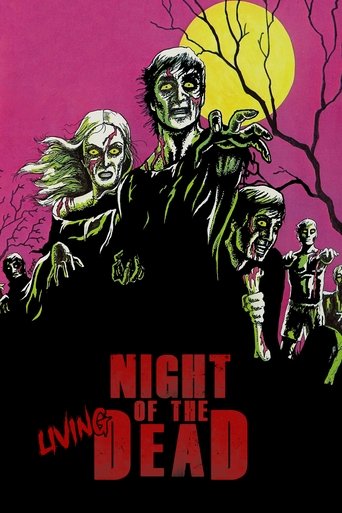
Night of the Living Dead
George A. Romero · 1968 · Film
Shares analog-era texture.
79% shared signal
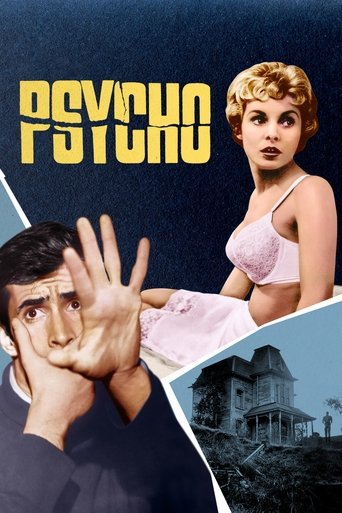
Psycho
Alfred Hitchcock · 1960 · Film
Shares human monsters.
78% shared signal

Halloween
John Carpenter · 1978 · Film
Shares grounded realism.
77% shared signal

Halloween (OST)
John Carpenter · 1978 · Record
Shares a bleak, unforgiving tone.
75% shared signal
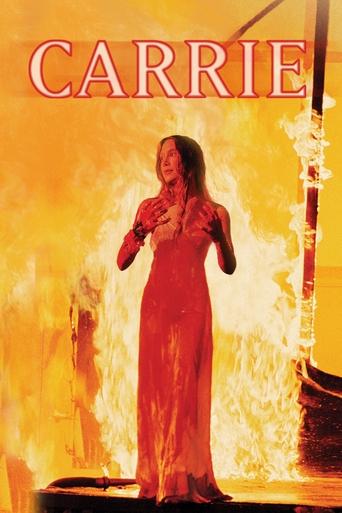
Carrie
Brian De Palma · 1976 · Film
Shares analog-era texture.
73% shared signal
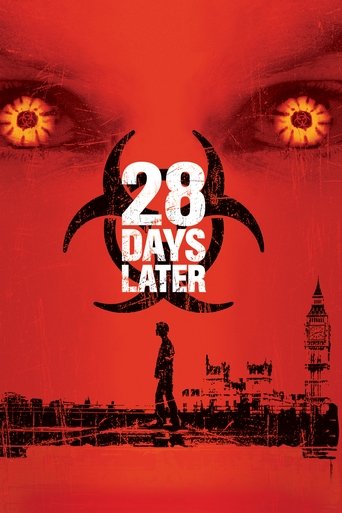
28 Days Later
Danny Boyle · 2002 · Film
Shares relentless shock.
69% shared signal
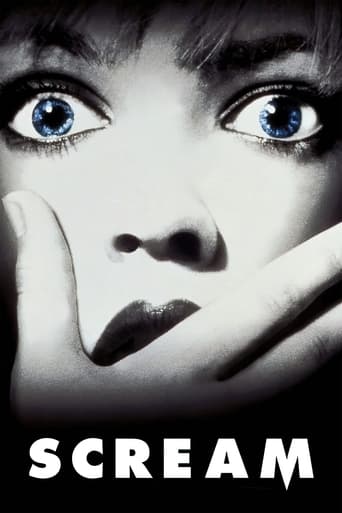
Scream
Wes Craven · 1996 · Film
Shares human monsters.
68% shared signal

Threnody for the Victims of Hiroshima
Krzysztof Penderecki · 1960 · Record
Shares a bleak, unforgiving tone.
68% shared signal
Questions about The Texas Chain Saw Massacre
The things people actually ask about this film, answered.
What happens at the end of The Texas Chain Saw Massacre?
Sally escapes the farmhouse through a window after being tied to the dinner table, reaches the highway and is picked up by a passing truck. The final shot is Leatherface swinging his saw in the road at sunrise while she is driven away, screaming and laughing. Everyone else is dead.
Is The Texas Chain Saw Massacre based on a true story?
No. The opening narration claiming a true account was marketing. Hooper borrowed the exhumed bodies, bone furniture and skin mask from the Ed Gein case in Wisconsin, but there was no chainsaw, no family of killers, no Texas setting and no Sally.
How gory is The Texas Chain Saw Massacre?
Far less than its reputation. We score it 040 on viscera, below the median film in our index. There is very little blood, and the hammer, hook and saw are mostly off-frame. Its banned reputation came from duration and noise rather than explicitness.
Who is Leatherface based on?
Partly Ed Gein, who made masks and furniture from human remains, though Gein acted alone and killed two people. The character's role as a frightened labourer inside a family business is Hooper and Kim Henkel's invention, and it is what separates him from the killers who copied him.
Why does Sally survive?
Because she runs, and for no other reason. The film gives her no weapon, no plan and no moment of turning the tables — she is simply the one who gets to a road. That absence of agency is deliberate, and later slashers would almost all give their survivor more.
What do the family do for a living?
They worked in a slaughterhouse that closed and have continued the same trade with different stock. The film never states it outright, relying on the grandfather's reputation with a hammer, the hitchhiker's nostalgia for the old killing methods and a roadside barbecue stand to make the implication.
These are ranked against The Texas Chain Saw Massacre, not against you.
Build your own tape →