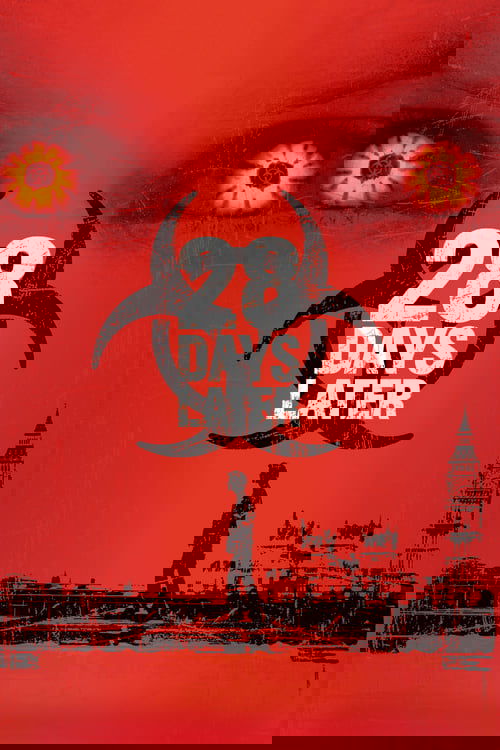
Film · 2002
28 Days Later
Danny Boyle
Shot on video, running flat out. The soldiers are the third act.
Most extreme on TONE — a bleak, unforgiving tone at 018
On VHSCREAM’s six-axis scale, 28 Days Later (2002) is most extreme on the tone axis: 18 out of 100, where 0 is a bleak, unforgiving tone and 100 is gleeful black comedy. 45% of the 105 horror works we have scored come in lower on that axis. How we score →
28 Days Later is a 2002 horror film directed by Danny Boyle and written by Alex Garland. A courier wakes from a coma in an empty London twenty-eight days after a blood-borne virus has destroyed Britain. We score it 072 on the threat axis — 87 works score lower, the human end of the scale — and 076 on pace.
Scored and reviewed by VHSCREAM on · how we score
28 Days Later: the review
28 Days Later is the film that restarted the zombie genre by refusing to be one, and its real subject arrives an hour in, wearing a uniform.
The opening twenty minutes are still the best thing in it. Jim walks out of St Thomas' Hospital into a London with nobody in it: Westminster Bridge, Horse Guards, Piccadilly Circus, a wall of missing-person notes at a church, an overturned double-decker bus, newspapers blowing across empty roads. Boyle shot it on consumer-grade Canon DV cameras at dawn with police briefly stopping traffic, and the format is the point — the smeared, low-resolution, over-saturated image reads as surveillance or news rather than cinema, and it makes an impossible sight look documentary.
Then Garland's structure does something cleverer than the premise. The infected are a weather system: fast, screaming, not dead, and dispatched after the first act as a solved problem. What the film is actually about is the twenty-seven survivors in a Lancashire manor house with a radio transmitter and a plan.
Christopher Eccleston's Major West is the best villain in British horror
He is calm, articulate and entirely reasonable in his own terms. He has promised his men "the answer to infection", and the answer is women: Selena and the fourteen-year-old Hannah, to be handed over so the soldiers have a future and stop shooting themselves. He explains it over dinner without raising his voice, and the film's argument — that the apocalypse is a pretext and that people were going to do this anyway — is made entirely through his good manners.
Boyle's craft and its costs
The infected are shot with step-printing, shutter-angle tricks and almost no coverage, so you never get a clear look at one; it is extremely effective and occasionally incoherent. John Murphy's score, particularly "In the House – In a Heartbeat", is a huge part of the film's reputation and it is over-used. And the last act is a different film: Jim goes feral, kills soldiers with his hands and gouges a man's eyes out, and the register tips from thriller towards horror in a way not everybody follows.
Where it is weak
Mark and Frank are both written to die on schedule. The blockade's location is vague. And the film's handling of Hannah is thin — she is the stake rather than a person for most of her screen time.
For the film that invented the siege structure it is arguing with, Night of the Living Dead; for the mall-set sequel that made the genre about consumption, Dawn of the Dead; for the same claustrophobic British dread underground, The Descent.
The ending of 28 Days Later explained
Total spoilers from here. Everything above this line is spoiler-free.
The short answer: Jim escapes from the manor house, releases the chained infected soldier Mailer into the building, and kills most of the platoon in the confusion — including gouging out Corporal Mitchell's eyes with his thumbs. Selena, who cannot tell at first whether Jim has been infected, hesitates with a machete and then does not use it. West shoots Jim in the stomach and is dragged out of a car window by Mailer. Jim, Selena and Hannah get away; Jim nearly dies and wakes twenty-eight days later in a cottage in Cumbria. In the final scene the three of them lay out enormous cloth panels spelling HELLO across a hillside, and a Finnish fighter jet on a reconnaissance pass sees them and radios it in. Rescue is coming, Britain is quarantined rather than the world, and the film ends on the word.
What is the Rage virus in 28 Days Later?
A blood-borne pathogen developed in a Cambridge primate research laboratory, where chimpanzees were being force-fed footage of human violence as part of an inhibitor study. Animal rights activists release the animals despite the scientist's warning and the infection takes hold in seconds — the transmission time is the film's most frightening single detail. It causes immediate, total, self-destructive aggression. It is not a reanimation: the infected are alive, they starve, and the film is careful about the distinction.
Are the infected zombies?
No, and the film is pointed about it. They are living people with a disease, they run, they scream, they bleed, they get tired and they die of hunger — which is why Britain is largely clear by the time the second half begins. Boyle has said repeatedly that it is not a zombie film, and the genre it actually revived was the post-apocalyptic survival picture. The speed, however, is what every zombie film since has copied.
What is Major West's plan?
To hold his men together by giving them women. He has broadcast a promise of salvation to draw survivors in, and tells Jim over dinner that the answer to infection is for his soldiers to be able to look forward to something, which means Selena and Hannah. The plan has no exit and no strategy beyond that. West's position is that he is restoring normality, and that killing, taking and waiting is what people have always done.
Does Jim get infected in 28 Days Later?
No. The ambiguity is deliberate: after the massacre he is covered in blood, moving like the infected and screaming, and Selena genuinely cannot tell. She raises the machete and waits, and then chooses him. That hesitation is the emotional resolution of the whole film — she has spent it insisting she would kill anybody in a heartbeat — and nothing supports a reading in which he has the virus.
What is the alternate ending of 28 Days Later?
The ending Boyle shot first has Jim die. The three reach a hospital, Jim is carried in with the stomach wound, the doctors cannot save him, and Selena and Hannah walk out of the building into the daylight alone. It is a bleaker and structurally neater film, and it tested badly. A third, unfilmed version had Frank's corpse used in a transfusion. The theatrical HELLO ending is the one that has been canonical since.
How scary is 28 Days Later, actually?
Scored against the published rubric, here is what the numbers mean.
The threat at 072 leans human — 87 works score lower, which is the film's entire argument. The virus is a first-act problem; the antagonists are a British Army platoon with a plan.
Pace 076 is fast — 101 works are slower. Even the quiet sequences are cut aggressively, and the infected move at a sprint.
Viscera 066 is above the median — 81 works score lower. Blood as a vector throughout, an amputation-by-machete, a man's eyes gouged out with thumbs, and a protracted beating.
Tone 018 is bleak — 47 works score lower. A father dies in front of his daughter, the rescue is a trap, and the theatrical ending is the only light in it.
Era bias 054 is just above the midpoint, which is right for a film shot on 2002 consumer digital video — technologically modern then, and visibly of a specific moment now.
Reality anchor 020 is grounded — 6 works score lower. One pathogen, then documentary logic: supply, petrol, infection time, sleep.
On jump scares: several, and the infected priest in the church is the best of them.
28 Days Later on six axes of fear
Every work in the index is scored on six continuous axes of fear. This is what 28 Days Later looks like as a vector.
Where that puts it: #3 relentless · #6 grounded · #12 human monsters
Disagree with a number? Say so on the axis itself. Nobody has confirmed this vector yet, and a score you challenge goes to the top of the queue to be re-scored by a human. Votes do not move the numbers — they decide what gets looked at first. How the scoring works →
Scored against the published rubric. This vector is a draft awaiting review — the method is public so you can argue with it.
Who should skip 28 Days Later
Skip it if threatened sexual violence is a hard limit. The second half is built on it, including against a fourteen-year-old, and the film does not flinch from how reasonably it is proposed.
Skip it if fast, screaming infected are too much. The attack sequences are shot to be disorienting and are deliberately hard to parse.
Skip it if the digital video will bother you. The image is soft, smeared and heavily artefacted, and that is the finished film rather than a bad transfer.
Content notes: planned sexual violence including against a minor, a father killed in front of his child, a man's eyes gouged out, a limb severed, a child infected and killed, suicide, animal experimentation shown in detail, and a sustained depiction of coercion by armed men.
Watch it if you want the film that reset the genre, you can take a last act that changes register, and you want the best empty-London sequence ever filmed.
Where to find it
Rent or buy from Amazon Video · Apple TV Store · Google Play Movies +3 ↗Physical copies on eBay ↗Availability from JustWatch via TMDB. We earn nothing from these links.
Nothing loads from YouTube until you press play.
If 28 Days Later is your kind of fear
The eight works closest to 28 Days Later in the index, ranked by distance across all six axes — not by genre label, and not by what other people watched.
Saw
James Wan · 2004 · Film
Shares a bleak, unforgiving tone.
82% shared signal
The Descent
Neil Marshall · 2005 · Film
Shares grounded realism.
78% shared signal
Martyrs
Pascal Laugier · 2008 · Film
Shares human monsters.
77% shared signal
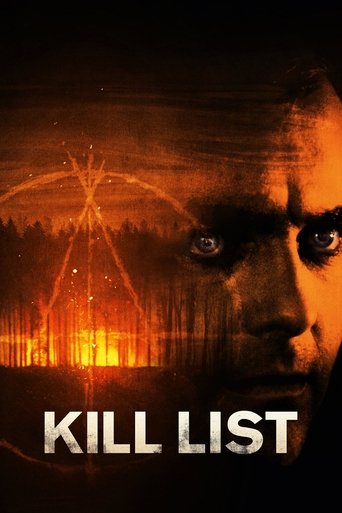
Kill List
Ben Wheatley · 2011 · Film
Shares a bleak, unforgiving tone.
72% shared signal
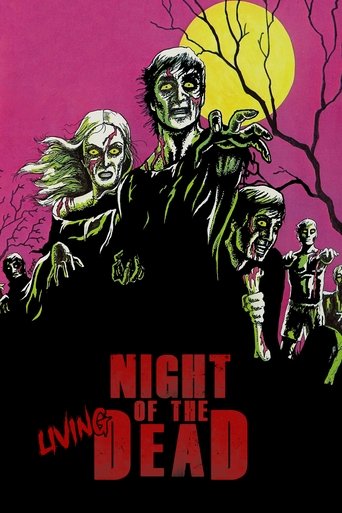
Night of the Living Dead
George A. Romero · 1968 · Film
Shares grounded realism.
72% shared signal
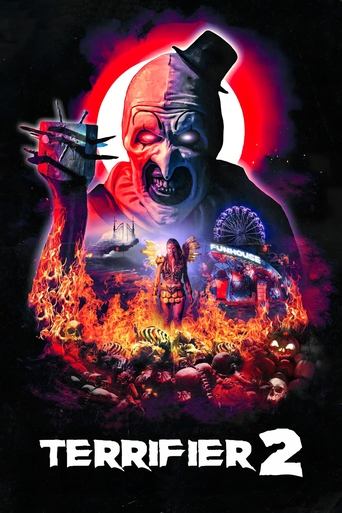
Terrifier 2
Damien Leone · 2022 · Film
Shares relentless shock.
71% shared signal
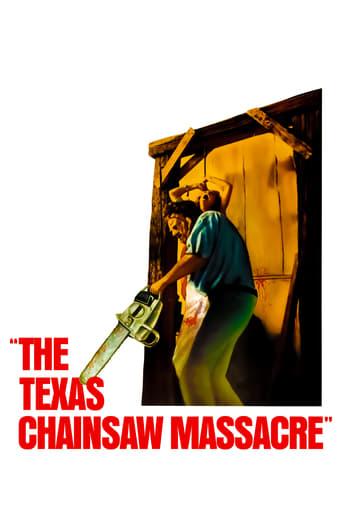
The Texas Chain Saw Massacre
Tobe Hooper · 1974 · Film
Shares human monsters.
69% shared signal
Final Destination
James Wong · 2000 · Film
Shares relentless shock.
68% shared signal
See the full list of movies like 28 Days Later →
Questions about 28 Days Later
The things people actually ask about this film, answered.
What happens at the end of 28 Days Later?
Jim releases the infected Mailer inside the manor house and kills most of the platoon; West shoots him and is then dragged out of a car by Mailer. Jim, Selena and Hannah escape to a Cumbrian cottage, and twenty-eight days later they spell HELLO on a hillside and a Finnish jet spots them.
What is the Rage virus in 28 Days Later?
A blood-borne virus from a Cambridge primate lab, where chimps were being exposed to footage of human violence. Activists release the animals and the infection spreads in seconds. It causes total aggression in living people — they are not reanimated, and they starve.
Are the infected in 28 Days Later zombies?
No. They are living people with a disease: they run, bleed, tire and die of hunger, which is why most of Britain is clear by the second half. Boyle has always denied it is a zombie film, though its sprinting infected are what every zombie film since has copied.
What is Major West's plan in 28 Days Later?
To keep his soldiers from killing themselves by promising them women. He broadcasts a false offer of salvation to draw survivors in, and intends to hand Selena and Hannah to his men. He explains it calmly over dinner as a restoration of normality.
Is 28 Days Later scary or is it an action film?
Both, in sequence. We score it 076 on pace and 072 on the threat axis: the first half is a survival horror film and the second is a hostage thriller in which the monsters are soldiers. The last twenty minutes tip into something closer to a revenge film.
What is the alternate ending of 28 Days Later?
Boyle's original ending has Jim die of the gunshot in a hospital, with Selena and Hannah walking out alone. It tested badly and was replaced by the HELLO rescue. A third version, in which Frank's body is used for a transfusion, was never shot.
These are ranked against 28 Days Later, not against you.
Build your own tape →