Film · 1968
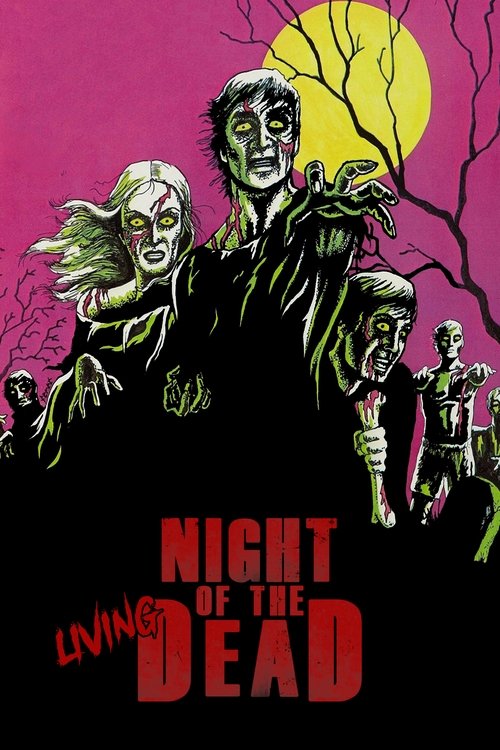
Night of the Living Dead
The dead are the least of it. The living argue the house down.
Most extreme on ERA BIAS — analog-era texture at 004
The most analog-era horror movies ever made →
On VHSCREAM’s six-axis scale, Night of the Living Dead (1968) is most extreme on the era-bias axis: 4 out of 100, where 0 is analog-era texture and 100 is modern craft. 3% of the 105 horror works we have scored come in lower on that axis. How we score →
Night of the Living Dead is a 1968 horror film directed by George A. Romero, made in Pittsburgh for around a hundred thousand dollars. Seven people shelter in a farmhouse while the recently dead walk. We score it 004 on era bias — joint-fourth of 105 works — and 064 on pace, which puts it on the shock side of the scale.
Scored and reviewed by VHSCREAM on · how we score
Night of the Living Dead: the review
Romero's film invented the modern zombie and then spent ninety minutes arguing that the zombies are the least of the problem.
The dead are slow, stupid and individually trivial. What kills almost everybody in the farmhouse is the argument about the cellar: Ben wants the ground floor and the doors, Harry Cooper wants the basement and a locked door, and both of them are partly right. The film's structure is a committee failing under pressure, and the siege is the room the committee is in. Nothing in sixty years of imitation has improved on it.
It was also made by a crew of industrial-film people in western Pennsylvania who had never made a feature, which shows in the best way. The 35mm black and white is harsh and newsreel-flat, the sound is location-recorded and thin, the gore is butcher's offcuts and chocolate syrup, and the whole thing looks like footage rather than a film.
Duane Jones is the point
Casting a Black lead in 1968 — competent, calm, the only person in the house making sound decisions — was Romero's choice and he always maintained it was because Jones gave the best audition rather than a statement. It does not matter. The film was released months after Martin Luther King's assassination, it ends with a Black man shot by a white posse and dragged with meat hooks, and no amount of authorial shrugging makes that read as an accident.
The copyright accident that made it
The distributor removed the original title card and failed to put a notice on the replacement, so the film entered the public domain immediately. Romero made almost nothing from it and it was consequently shown everywhere, forever, free. The most influential horror film of its decade is influential partly because nobody could stop anyone screening it.
Where it creaks
The performances outside Jones and Karl Hardman are uneven, the radio and television exposition runs long, and the middle act repeats its arguments. None of it matters much.
For the satire the sequel turned this into, Dawn of the Dead; for the same siege logic with a virus, 28 Days Later.
The ending of Night of the Living Dead explained
Total spoilers from here. Everything above this line is spoiler-free.
The short answer: Ben survives the night. In the morning a sheriff's posse sweeps the countryside shooting the dead, sees him through a window, and shoots him in the head. His body is dragged out with meat hooks and thrown onto a bonfire with the others, in grainy still photographs over the end credits. Nobody in the posse knows or asks who he was.
Does anyone survive Night of the Living Dead?
Nobody from the farmhouse. Barbra is dragged away by her reanimated brother, the Coopers and Tom and Judy all die, Karen kills her own mother with a trowel, and Ben — the last one alive and the only competent person in the film — is shot by the rescuers. The survival rate is zero.
Why is Ben killed by the posse?
Because they do not look. The posse is not evil and not presented as such; they are casual, chatty, efficient men doing a job, and one of them sees movement in a window and fires. The horror of the ending is its ordinariness — no malice is required for it to happen, only a system that has stopped checking.
What do the end credit photographs mean?
Romero shot the finale as grainy black and white stills, which makes it look like press photography rather than fiction. In 1968 that resembled one specific thing: the news. The choice converts a horror ending into documentation, and it is why the sequence still lands harder than anything in the preceding ninety minutes.
What caused the dead to rise?
The film offers a radio report blaming radiation from a returning Venus probe, and treats it as rumour rather than fact. Romero never confirms a cause in this film or the sequels. The absence is deliberate — an explanation would make the film about a problem that could be solved.
How scary is Night of the Living Dead, actually?
Scored against the published rubric, here is what the numbers mean.
Era bias 004 is near the floor — only 3 works score lower. Harsh 35mm black and white, location sound, and an ending shot as newsprint.
Pace 064 is on the shock side — 87 works are slower. The film opens with an attack in a cemetery and the siege never fully releases.
Viscera 052 is just above the median film — 59 works score lower. There is on-screen eating of human remains, which in 1968 was unprecedented, and it is still effective because it is lit flatly and held.
The threat at 055 sits almost exactly in the middle, which is the correct score for a film where the supernatural element is a hazard and the people are the antagonists.
Tone 022 is bleak — 61 works score lower. Everyone dies, the competent man is shot by his rescuers, and the film ends on photographs of his body being burned.
Reality anchor 018 is grounded — only 5 works score lower. One farmhouse, one radio, one night.
On jump scares: a handful, mostly hands through boarded windows.
Night of the Living Dead on six axes of fear
Every work in the index is scored on six continuous axes of fear. This is what Night of the Living Dead looks like as a vector.
Where that puts it: #2 analog era · #5 grounded
Disagree with a number? Say so on the axis itself. Nobody has confirmed this vector yet, and a score you challenge goes to the top of the queue to be re-scored by a human. Votes do not move the numbers — they decide what gets looked at first. How the scoring works →
Scored against the published rubric. This vector is a draft awaiting review — the method is public so you can argue with it.
Who should skip Night of the Living Dead
Skip it if 1968 craft will defeat you. The acting outside the two leads is amateur, the sound is thin, and the exposition is delivered by a television set.
Skip it if a child killing a parent is a hard limit. The cellar sequence with Karen and her mother is brief and among the hardest things in the film.
Skip it if you want the ending to be fair. It is not, deliberately, and viewers who need a survivor should start elsewhere.
Content notes: the consumption of human remains, a child murdering a parent with a trowel, a sibling's reanimated corpse, two people burned alive in a vehicle, and a Black protagonist shot by white rescuers and dragged with hooks.
Watch it if you want the film that created the modern zombie, you are interested in a siege film where the siege is the committee, and you want an ending that still reads as news footage.
Where to find it
Streaming on fuboTV · HBO Max · MGM+ +18 ↗Physical copies on eBay ↗Availability from JustWatch via TMDB. We earn nothing from these links.
Nothing loads from YouTube until you press play.
If Night of the Living Dead is your kind of fear
The eight works closest to Night of the Living Dead in the index, ranked by distance across all six axes — not by genre label, and not by what other people watched.
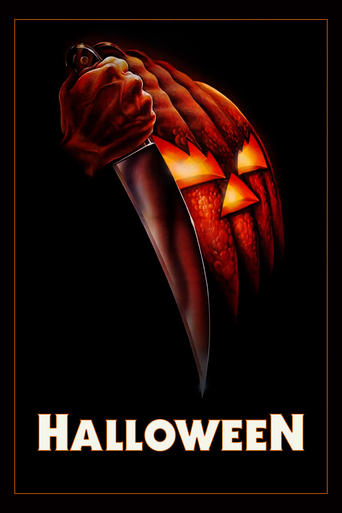
Halloween
John Carpenter · 1978 · Film
Shares analog-era texture.
81% shared signal
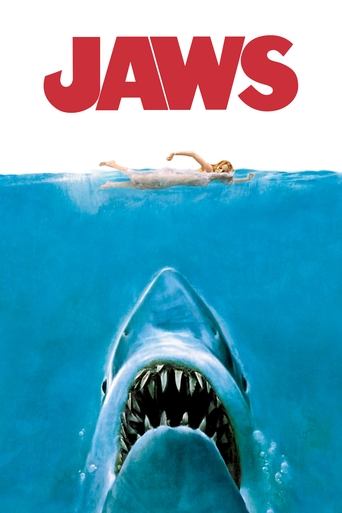
Jaws
Steven Spielberg · 1975 · Film
Shares grounded realism.
80% shared signal

Halloween (OST)
John Carpenter · 1978 · Record
Shares a bleak, unforgiving tone.
79% shared signal
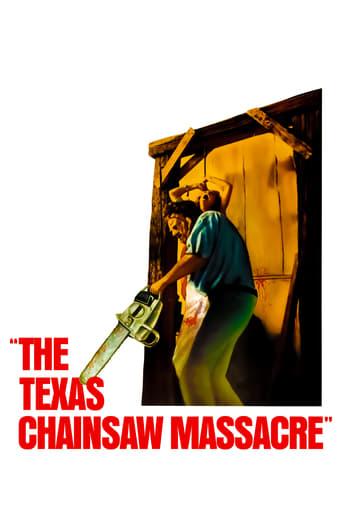
The Texas Chain Saw Massacre
Tobe Hooper · 1974 · Film
Shares analog-era texture.
79% shared signal
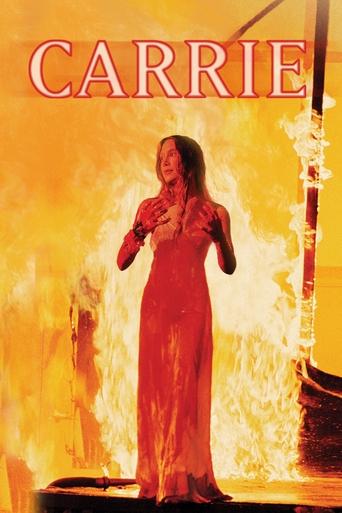
Carrie
Brian De Palma · 1976 · Film
Shares a bleak, unforgiving tone.
78% shared signal
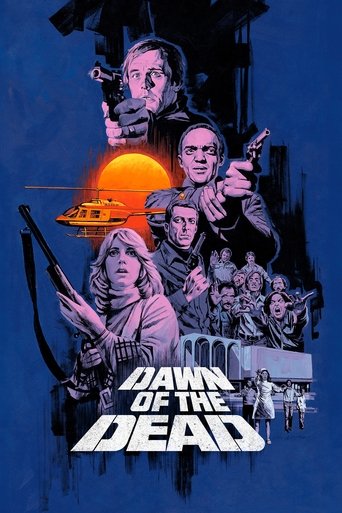
Dawn of the Dead
George A. Romero · 1978 · Film
Shares grounded realism.
75% shared signal
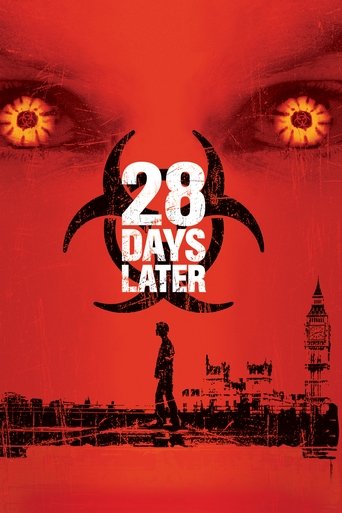
28 Days Later
Danny Boyle · 2002 · Film
72% shared signal
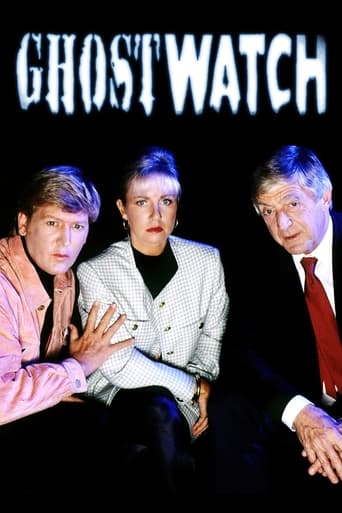
Ghostwatch
BBC · 1992 · Television
71% shared signal
Questions about Night of the Living Dead
The things people actually ask about this film, answered.
What happens at the end of Night of the Living Dead?
Ben survives the night alone, and in the morning a sheriff's posse sweeping the countryside sees him through a window and shoots him in the head. His body is dragged out with meat hooks and burned on a bonfire, shown in grainy stills over the credits. Nobody asks who he was.
Does anyone survive Night of the Living Dead?
No. Barbra is taken by her reanimated brother, the Coopers and Tom and Judy all die, Karen kills her mother, and Ben is shot by the rescuers. The survival rate for the farmhouse is zero, which was close to unheard of in 1968.
Why is Ben shot at the end?
Because the posse does not look properly. They are not villains — they are casual, efficient men doing a job, and one sees movement and fires. The ending's power is that no malice is needed for it to happen, only a system that has stopped checking.
What caused the dead to rise in Night of the Living Dead?
The film never says. A radio report blames radiation from a returning Venus probe and treats it as rumour. Romero declined to confirm a cause in this film or its sequels, because an explanation would make it a problem somebody could solve.
Why is Night of the Living Dead in the public domain?
The distributor replaced the original title card and failed to carry the copyright notice onto the new one, which under 1968 law put the film into the public domain immediately. Romero earned almost nothing from it, and it became ubiquitous because nobody could prevent a screening.
Is Night of the Living Dead still scary?
More effective than frightening, for most viewers. We score it 052 on viscera, just above the median film in our index, and the eating is still unpleasant. What has not dated at all is the argument in the farmhouse and the final two minutes.
These are ranked against Night of the Living Dead, not against you.
Build your own tape →