
On VHSCREAM’s six-axis scale, Tender Is the Flesh (2017) is most extreme on the threat axis: 96 out of 100, where 0 is a supernatural threat and 100 is human monsters. 96% of the 105 horror works we have scored come in lower on that axis. How we score →
Tender Is the Flesh is a 2017 novel by the Argentine writer Agustina Bazterrica, translated by Sarah Moses. A virus has made animal meat lethal, so the world has legalised the farming and slaughter of human beings. We score it 004 on tone — the joint-fourth-bleakest work we hold — and 096 on the threat axis, joint-second of 105 works.
Scored and reviewed by VHSCREAM on · how we score
Tender Is the Flesh: the review
Tender Is the Flesh is as cold as anything in our index, and the cruelty is in the vocabulary rather than the violence.
Marcos Tejo is a middle manager at a processing plant. He inspects carcasses, negotiates with breeders, trains new slaughterers and signs off on stock. The novel follows him through a working week with the precision of a trade manual: the stunning box, the bleeding rail, the scalding tank, the cold room, the hunting ranches where executives pay to run specimens down, the laboratories, the scavengers at the fence. Bazterrica wrote it after working near an abattoir, and the procedural detail is the thing that will stay with you.
What makes it horror rather than satire is the language. Nobody in the book says the word. The product is "special meat". The people are "heads", "stock", "First Generation Pure", "product". They are debarked on arrival so they cannot scream and their vocal cords are removed; the novel notes this as a routine processing cost. Marcos's narration never editorialises. He is not a monster in his own account and he is not in denial either — he simply does his job, and the reader is the only person in the book who is appalled.
It is a novel about grief disguised as a novel about cannibalism
The reason Marcos is numb is not the plant. His infant son Leo died, his wife Cecilia has gone to her mother's and will not speak to him, and his father is in a nursing home he cannot afford, with a dementia that has mercifully taken the Transition away. Every chapter he spends among carcasses is a chapter he is not spending in his own house. The book is explicit that the industry works because enough people need somewhere to not be.
The horror is administrative
The Transition — the global announcement that a virus made animal meat fatal, and the near-immediate legalisation of human stock — is presented as something Marcos remembers rather than something he questions. He is reasonably sure the virus was invented. He says so once, flatly, in a paragraph with no follow-up. The novel's bleakest idea is not that humanity was eaten; it is that the paperwork took about a year.
Where it is weak
The satire occasionally announces itself: the hunting-ranch sequence and the Church of the Immolation are broader than the rest of the book. Minor characters exist mostly to demonstrate a position. And the prose, in translation, is deliberately flattened in a way that reads as thin rather than cold for the first thirty pages.
For the same human-as-livestock logic at feature length, Martyrs; for the same unflinching procedural cruelty in prose, The Girl Next Door; for the same colonial reading of who gets to be stock, The Only Good Indians.
The ending of Tender Is the Flesh explained
Total spoilers from here. Everything above this line is spoiler-free.
The short answer: Marcos is given a First Generation Pure female specimen as a gift from a breeder. Keeping stock at home is illegal. He houses her in a barn, stops treating her as product, names her Jasmine, and she becomes pregnant by him. He hides the pregnancy through to term. Cecilia comes back. Jasmine gives birth to a healthy son, and Cecilia accepts the child immediately as theirs. Marcos then walks out to the barn and kills Jasmine with the stunning rod. The last lines make the reason plain: she is no longer required, she is a liability, and she is meat. Cecilia does not object.
What is the Transition in Tender Is the Flesh?
The event that precedes the novel: the announcement that a virus carried by animals is lethal to humans, the mass culling of livestock and pets, and then the legalisation of human stock as a protein source. Marcos's account includes the detail that the virus may have been fabricated to solve overpopulation and food supply at once, and that he has no way of checking and no interest in trying. The novel never confirms it either way.
Who is Jasmine?
A First Generation Pure female — bred in captivity, vocal cords removed, no language, no name until Marcos gives her one. She is delivered to his house as a bribe and he is legally required to slaughter or report her. Instead he moves her into the barn, feeds her, washes her, and sleeps with her. The novel is careful that she cannot consent and never pretends otherwise.
Why does Marcos kill Jasmine?
Because he has what he wanted. The pregnancy was the point: a child for Cecilia, which the two of them could not have after Leo. Once the baby is born and accepted, Jasmine is an illegal animal in his barn who has served her purpose, and Marcos is a man who has spent the entire novel processing exactly this. The horror of the last page is that it is not a betrayal of his character. It is the first wholly consistent thing he does.
Is the ending a twist?
No, and reading it as one misses the book. Bazterrica spends two hundred pages establishing that Marcos is good at his job, that he does not think of stock as people, and that his tenderness towards Jasmine is the behaviour of a man caring for an animal he intends to use. Every element of the final scene has been demonstrated. The surprise is only that the reader allowed itself to hope.
Is Tender Is the Flesh an allegory for the meat industry?
Yes, and it is not subtle about it, but the allegory is not the whole book. The industrial detail maps directly onto abattoir practice — stunning, bleeding, scalding, grading, the language used to avoid the word — and the satirical targets include luxury consumption, legalised exploitation of migrants and the poor, and organ harvesting. The grief plot underneath it is doing separate work.
How scary is Tender Is the Flesh, actually?
Scored against the published rubric, here is what the numbers mean.
Tone 004 is the joint-fourth-bleakest score in the index — only 3 works score lower. There is no reprieve, no resistance movement, no moral centre and no survivor who is better off.
The threat at 096 is at the human end — only 1 work scores higher. There is no monster. Everything in the book is done by people with job titles, operating entirely within the law.
Viscera 078 is high — 91 works score lower. Slaughter, butchery, a severed tongue, a hunting kill and a birth, all described with procedural flatness rather than relish.
Era bias 090 reads modern — 96 works score lower. It is a novel about supply chains, branding, regulatory compliance and workplace email, set in a near present.
Pace 030 is slow — 42 works are slower. Nothing in the plot accelerates; the week simply continues.
Reality anchor 025 is grounded — 12 works score lower. One premise, then total realism.
On shocks: none. The book never startles. It accumulates.
Tender Is the Flesh on six axes of fear
Every work in the index is scored on six continuous axes of fear. This is what Tender Is the Flesh looks like as a vector.
Where that puts it: #3 bleakest · #3 goriest
Disagree with a number? Say so on the axis itself. Nobody has confirmed this vector yet, and a score you challenge goes to the top of the queue to be re-scored by a human. Votes do not move the numbers — they decide what gets looked at first. How the scoring works →
Scored against the published rubric. This vector is a draft awaiting review — the method is public so you can argue with it.
Who should skip Tender Is the Flesh
Skip it if sexual exploitation of a person who cannot consent is a hard limit. Jasmine has no language and no capacity to refuse, and the novel is unambiguous about what Marcos does.
Skip it if you have worked in slaughter or meat processing. The technical detail is accurate and sustained across the whole book.
Skip it if infant death or child loss is a hard limit. Leo's death is the engine of everything Marcos does, and the final chapter involves a newborn.
Content notes: industrialised killing of human beings described in full procedural detail, cannibalism, rape of a captive who cannot consent, forced pregnancy, infant death, the killing of a mother immediately after birth, mutilation including removal of vocal cords, organ harvesting, animal culling, and a hunting sequence in which people are quarry.
Read it if you want one of the bleakest books we have scored, you can take two hundred pages of abattoir procedure, and you want a novel whose horror is that the words for what is happening have all been replaced.
Where to start with horror books →
Where to find it
Buy from an indie bookshop ↗Out-of-print copies on eBay ↗We earn nothing from these links.
If Tender Is the Flesh is your kind of fear
The eight works closest to Tender Is the Flesh in the index, ranked by distance across all six axes — not by genre label, and not by what other people watched.
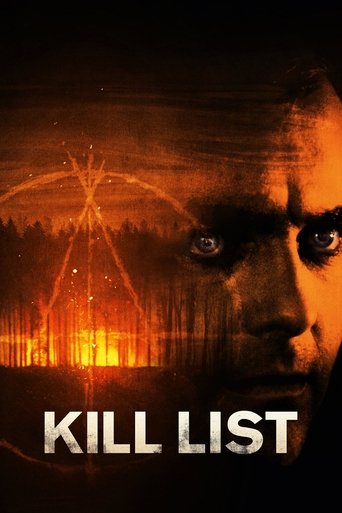
Kill List
Ben Wheatley · 2011 · Film
Shares a bleak, unforgiving tone.
76% shared signal
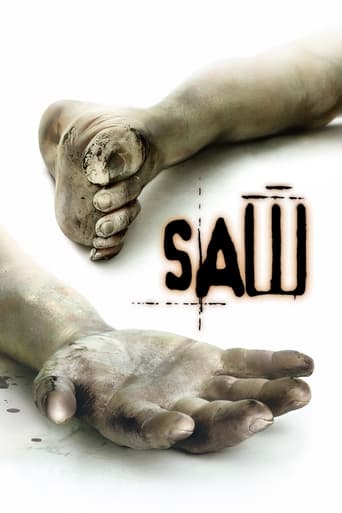
Saw
James Wan · 2004 · Film
Shares human monsters.
75% shared signal
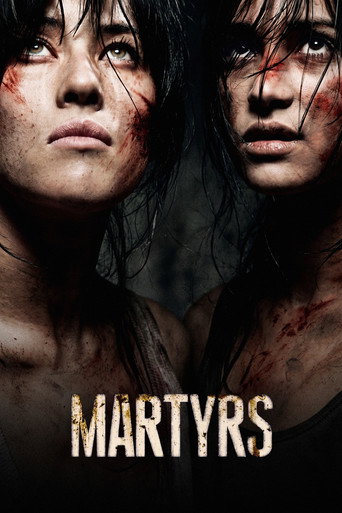
Martyrs
Pascal Laugier · 2008 · Film
Shares explicit viscera.
75% shared signal

Midsommar
Ari Aster · 2019 · Film
Shares modern craft.
74% shared signal
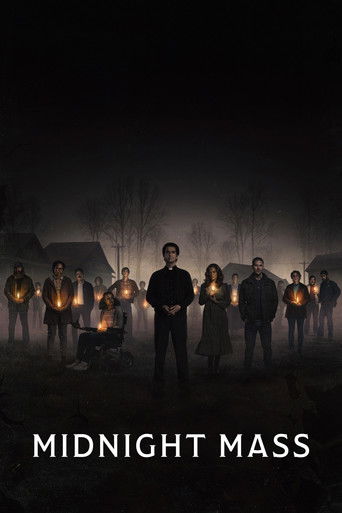
Midnight Mass
Mike Flanagan · 2021 · Television
Shares slow-burn dread.
70% shared signal
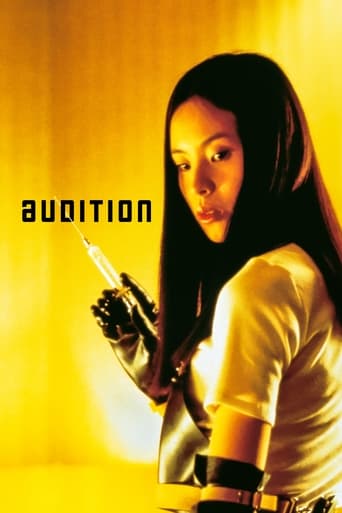
Audition
Takashi Miike · 1999 · Film
Shares human monsters.
69% shared signal
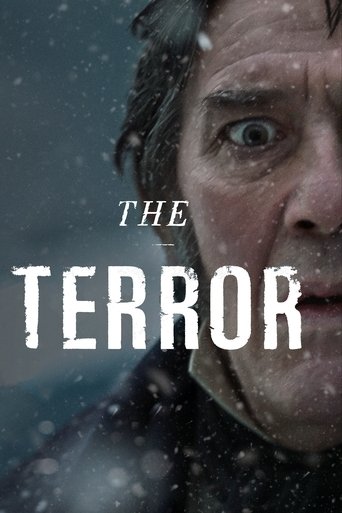
The Terror
AMC · 2018 · Television
Shares grounded realism.
69% shared signal
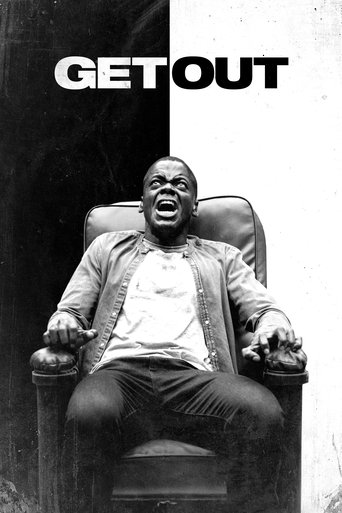
Get Out
Jordan Peele · 2017 · Film
Shares modern craft.
68% shared signal
See the full list of books like Tender Is the Flesh →
Questions about Tender Is the Flesh
The things people actually ask about this book, answered.
What happens at the end of Tender Is the Flesh?
Jasmine gives birth to a healthy son and Cecilia accepts him as their own. Marcos then goes to the barn and kills Jasmine with the stunning rod, because she has served her purpose and is an illegal animal he can process. Cecilia does not object.
What is the Transition in Tender Is the Flesh?
The announcement that a virus made animal meat lethal, followed by the culling of all livestock and the legalisation of human stock for food. Marcos suspects the virus was invented to solve overpopulation and food supply together, but the novel never confirms it.
Who is Jasmine in Tender Is the Flesh?
A First Generation Pure female specimen given to Marcos as a bribe. She was bred in captivity with her vocal cords removed and has no language. He keeps her illegally in his barn, names her, and fathers a child with her.
Why does Marcos kill Jasmine at the end?
Because the pregnancy was what he wanted — a child for Cecilia after their son died — and once the baby is born and accepted, Jasmine is a liability. He has spent the entire novel processing stock, and the final scene is the first thing he does that is fully consistent with his job.
How disturbing is Tender Is the Flesh?
Extremely. We score it 004 on tone — the joint-fourth-bleakest score in our index — with 078 on viscera. The violence is described in flat procedural language rather than for effect, which most readers find worse, and the sexual exploitation of a captive who cannot consent is central rather than incidental.
Is Tender Is the Flesh worth reading?
If you want unrelenting bleakness delivered with control, yes — it is short, precise and the best recent novel about the vocabulary people use to make atrocity administrable. If you need any moral counterweight at all, no. It offers none.
These are ranked against Tender Is the Flesh, not against you.
Build your own tape →