
Record · 2014
It Follows (OST)
Disasterpeace
Synth that lurches. Carpenter filtered through chiptune.
Most extreme on ERA BIAS — modern craft at 082
On VHSCREAM’s six-axis scale, It Follows (OST) (2014) is most extreme on the era-bias axis: 82 out of 100, where 0 is analog-era texture and 100 is modern craft. 72% of the 105 horror works we have scored come in lower on that axis. How we score →
It Follows (OST) is Disasterpeace's 2014 score for David Robert Mitchell's film — the work of Rich Vreeland, a video-game composer best known for Fez, making his first feature. We score it 082 on era bias — 76 works score lower — and 048 on pace.
Scored and reviewed by VHSCREAM on · how we score
It Follows (OST): the review
It Follows (OST) is the best horror score since Carpenter and the thing that makes it work is that it is rude.
Vreeland's decision, which Mitchell backed, was to mix the score far louder than a film normally allows — over dialogue, over effects, at a level that reads as a mistake if you are not expecting it. Cues arrive at full volume with no fade and cut off dead. There are moments in the film where the music is physically the loudest thing in the room and the characters are still talking. A great many viewers' first reaction is that something is wrong with the print, and that misapprehension is the score doing exactly what it was built for: the film is about something that is always approaching, and the score refuses to stay in the background where an audience can ignore it.
It is Carpenter rebuilt in FM synthesis
The vocabulary is openly 1978 — pulses, arpeggios, held low tones, a stalking tempo — and the execution is not. Vreeland works largely in FM synthesis and deliberate digital distortion, so where Halloween (OST) is warm analogue circuitry, this is brittle, clipped and metallic. The two records are doing the same job with opposite materials, and the comparison flatters both.
The best cues
"Title" is the one everybody knows: a slow, enormous, descending figure with a detuned lead that sounds like a broken music box played through a blown speaker. "Heels" and "Detritus" are the aggressive material and the ones that cause people to turn the film down. "Old Maid" and "Company" are the quieter writing and are much better than the record's reputation for brutality suggests. "Jay" is the closest the score comes to a character theme and the only tender thing on it.
The game-composer background matters
Vreeland came from Fez, where the music had to loop indefinitely without becoming unbearable, and that discipline is audible: these cues are built as cells that can repeat, with no development and no resolution written into them, which is exactly the right structure for scoring a pursuit with no end. Film composers rarely write this way and it is the single clearest technical reason the score works.
Where it is difficult
It is abrasive by design and on record, without the film's images, several cues are simply harsh. The album is also sequenced closer to a cue list than to a listening experience. And the influence has been so thoroughly absorbed since 2014 that it can read as generic to anyone who has heard the last decade of horror trailers.
For the record it is in direct conversation with, Halloween (OST); for the film, It Follows; for the other defining modern horror score, Under the Skin (OST).
The ending of It Follows (OST) explained
Total spoilers from here. Everything above this line is spoiler-free.
The short answer: the score does not resolve, because the film does not. It Follows ends with Jay and Paul walking down a suburban street holding hands, with a figure some distance behind them that may or may not be the thing, and Vreeland plays them out on material that neither escalates nor resolves — the cue simply continues and the film cuts. That is the whole design: every piece on this record is written as a repeatable cell with no cadence, so there is nothing in the score capable of ending. On the album the final tracks are the quieter, more melodic writing rather than the aggressive material, which gives the record a shape the film deliberately denies itself. Either way, nothing concludes. The thing is still walking.
Why is the score in It Follows so loud?
Because Mitchell and Vreeland chose to mix it over the dialogue and the effects, at a level conventional film mixing does not permit. The intent was to make the score an intrusion rather than an atmosphere — something the audience cannot tune out, matching a threat the characters cannot outrun. The most common first-time reaction is that the sound mix is broken, and that reaction is part of the effect.
Who is Disasterpeace?
Rich Vreeland, an American composer who built his reputation in video games — most famously Fez in 2012, and later Hyper Light Drifter and Mini Metro. It Follows was his first feature score. He has since worked on Under the Silver Lake, also for Mitchell, and continues to work across both media.
What does It Follows take from John Carpenter?
The structure and the attitude: a repeating synthesiser figure at a walking tempo, held low tones, no melody to speak of, and the understanding that a pulse approaching is more frightening than a chord. What it does not take is the sound — Carpenter's analogue circuitry is warm and this is FM synthesis, deliberately brittle and distorted, which is why the homage does not read as pastiche.
What is the main theme of It Follows?
The cue usually listed as "Title" — a slow descending figure with a detuned lead over a low pad, which sounds like a damaged music box amplified past its tolerance. It is the piece that established the record's reputation and the one that gets used whenever a trailer needs to signal modern horror.
Is It Follows (OST) good to listen to on its own?
In parts. The quieter cues hold up as music and the aggressive ones are harsh without the images to justify them, and the album is sequenced as a cue list rather than as a record. It is also short. The best approach is the film first, then the album, then the two or three tracks you want to keep.
Why does the score work for this film specifically?
Because the film's threat has no resolution available and the score is built from cells that cannot resolve. Vreeland's game-composition background — writing loops that must repeat indefinitely without development — produces exactly the right structure for scoring a pursuit that never ends. The music is as inescapable as the thing, and it is loud enough that you cannot look away from it.
How scary is It Follows (OST), actually?
Scored against the published rubric, here is what the numbers mean.
Era bias 082 reads modern — 76 works score lower. FM synthesis, digital distortion, a 2014 mix and a mastering decision that could only be made with modern control over level.
Pace 048 is almost exactly the midpoint. The score's tempo is a deliberate walking speed, which is the whole inheritance from Carpenter.
Tone 022 is bleak — 61 works score lower. There is no reprieve written into the record and nothing on it offers a way out.
Viscera 040 is just under the median — 45 works score lower. Nothing is described, but the distortion and clipping are abrasive in a way that reads as physical.
The threat at 042 is just under the midpoint, which is correct for a film whose antagonist is an entity with no motive that walks at human speed.
Reality anchor 058 leans towards dream logic — 59 works score lower. The detuning and the broken-music-box timbres keep the record from sitting anywhere stable.
On shocks: several, and most of them are a cue arriving at full volume with no warning, which is the score's signature move.
It Follows (OST) on six axes of fear
Every work in the index is scored on six continuous axes of fear. This is what It Follows (OST) looks like as a vector.
Disagree with a number? Say so on the axis itself. Nobody has confirmed this vector yet, and a score you challenge goes to the top of the queue to be re-scored by a human. Votes do not move the numbers — they decide what gets looked at first. How the scoring works →
Scored against the published rubric. This vector is a draft awaiting review — the method is public so you can argue with it.
Who should skip It Follows (OST)
Skip it if loudness is a problem. This record is abrasive on purpose, and in the film it is mixed over the dialogue.
Skip it if you want it to sound like Carpenter. The structure is his and the sound is not — FM synthesis is brittle and metallic where his analogue work is warm.
Skip it if you want an album rather than a cue list. It is sequenced for the film and it shows.
Content notes: instrumental, with no lyrics or depicted content. The record is attached to a film in which the threat is transmitted sexually.
Listen to it if you want the best horror score since 1978, you are curious how a game composer's looping discipline turned out to be the right tool for scoring an inescapable pursuit, and you can take a record that is deliberately too loud.
If It Follows (OST) is your kind of fear
The eight works closest to It Follows (OST) in the index, ranked by distance across all six axes — not by genre label, and not by what other people watched.
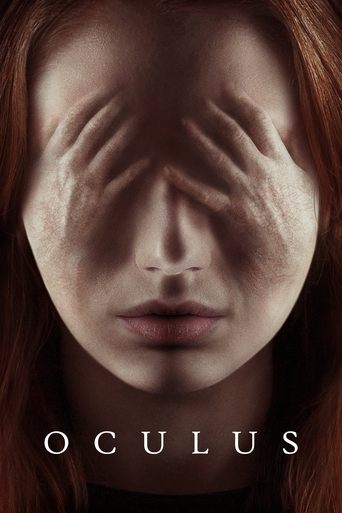
Oculus
Mike Flanagan · 2013 · Film
Shares modern craft.
88% shared signal
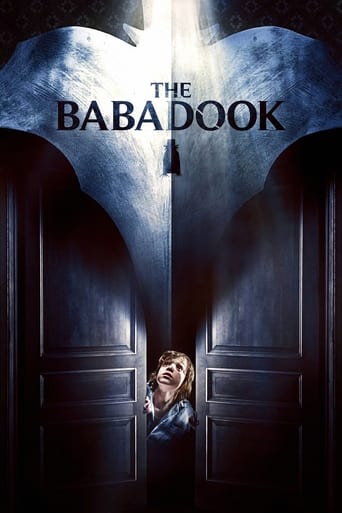
The Babadook
Jennifer Kent · 2014 · Film
Shares a bleak, unforgiving tone.
86% shared signal
The Ballad of Black Tom
Victor Lavalle · 2016 · Book
Shares modern craft.
85% shared signal
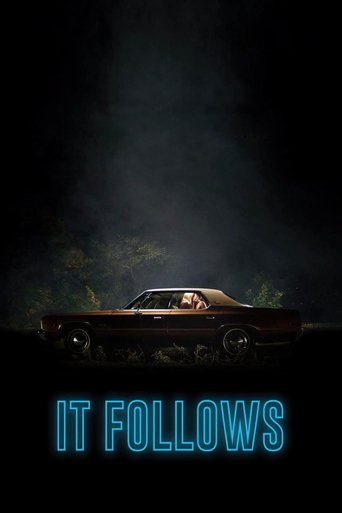
It Follows
David Robert Mitchell · 2014 · Film
Shares a bleak, unforgiving tone.
85% shared signal
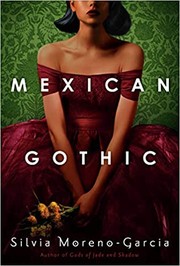
Mexican Gothic
Silvia Moreno-Garcia · 2020 · Book
84% shared signal
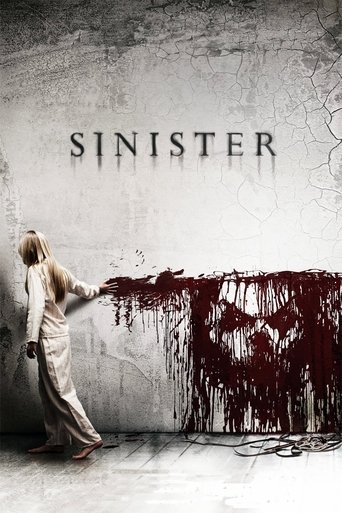
Sinister
Scott Derrickson · 2012 · Film
84% shared signal

Hereditary (OST)
Colin Stetson · 2018 · Record
83% shared signal
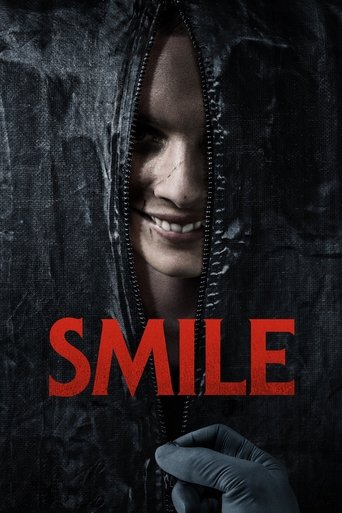
Smile
Parker Finn · 2022 · Film
82% shared signal
It Follows (OST) in another form
The index links works across media, so an adaptation sits beside its source and a score beside the film it haunts.
Questions about It Follows (OST)
The things people actually ask about this record, answered.
How does It Follows (OST) end?
It does not resolve, because nothing in it is written to. Every cue is a repeatable cell with no cadence, and the film ends mid-figure as Jay and Paul walk away with something behind them. On record the quieter material is sequenced last, which gives the album a shape the film denies itself.
Why is the music in It Follows so loud?
Because Mitchell and Vreeland mixed it over the dialogue and effects on purpose, at a level conventional film mixing does not allow. The score is meant to intrude rather than to accompany, matching a threat the characters cannot tune out. Many viewers assume the print is broken.
Who is Disasterpeace?
Rich Vreeland, an American composer best known for video games — Fez, Hyper Light Drifter, Mini Metro — for whom It Follows was a first feature score. He later scored Under the Silver Lake for the same director.
What does It Follows take from John Carpenter?
The structure: a repeating synthesiser figure at walking pace, held low tones and no real melody. What it does not take is the timbre — Carpenter's analogue sound is warm, and Vreeland's FM synthesis is brittle and distorted, which keeps it from being pastiche.
What is the It Follows main theme?
The cue listed as "Title" — a slow descending figure with a detuned lead over a low pad, like a damaged music box pushed past its tolerance. It is the piece the record is known for and a standard reference whenever a trailer wants to signal modern horror.
Is It Follows (OST) worth listening to on its own?
In parts. The quieter cues work as music, the aggressive ones are harsh without the images, and the album is sequenced as a cue list. Watch the film, then play the record, then keep the two or three tracks you want.
These are ranked against It Follows (OST), not against you.
Build your own tape →