
Record · 1960
Threnody for the Victims of Hiroshima
Krzysztof Penderecki
Fifty-two strings used as an instrument of panic. Kubrick knew.
Most extreme on TONE — a bleak, unforgiving tone at 002
On VHSCREAM’s six-axis scale, Threnody for the Victims of Hiroshima (1960) is most extreme on the tone axis: 2 out of 100, where 0 is a bleak, unforgiving tone and 100 is gleeful black comedy. 0% of the 105 horror works we have scored come in lower on that axis. How we score →
Threnody for the Victims of Hiroshima is a 1960 composition by Krzysztof Penderecki for fifty-two string instruments, lasting between eight and nine minutes. It is not film music and it is the most frightening thing in our index. We score it 002 on tone — 103 works score higher — and 090 on the threat axis.
Scored and reviewed by VHSCREAM on · how we score
Threnody for the Victims of Hiroshima: the review
Threnody for the Victims of Hiroshima is a piece of concert music that does something no horror score has matched, and it does it without a single note you could hum.
Penderecki wrote it in 1960 as a sonoristic experiment and submitted it to a competition under the title 8'37" — the length. It won, he heard it broadcast, and he renamed it for Hiroshima afterwards. That order of events is worth knowing: the piece is not a depiction of the bomb and was not composed as one, and the dedication was applied to a work that already existed. The retitling was not cynical. Penderecki said the music had, in his own hearing of it, demanded it.
What is actually on the recording is fifty-two string players producing sound in ways that are mostly not playing. The score calls for the highest possible note on each instrument without specifying which; for bowing on the bridge, the tailpiece and under the bridge; for striking the body of the instrument; for quarter-tone clusters stacked so densely that pitch stops being audible as pitch. The notation itself had to be invented — time is given in seconds, not bars, and the page looks like a graph.
It opens with the worst sound in recorded music
The first fifteen seconds are all fifty-two instruments at their extreme upper register simultaneously, which produces something the ear cannot locate: not a chord, not a scream, not feedback, and physically painful at volume. There is no preparation and no fade in. It is simply there.
Then it becomes insects, and then it becomes grief
The middle section breaks the mass into individual gestures — scrapes, taps, isolated glissandi, pizzicato like something moving in a wall — and the texture is closer to a field recording of an infestation than to an orchestra. The last movement assembles the cluster back into something that functions almost as harmony, held, enormous, and recognisably mournful, which is where the title earns itself.
Why horror keeps taking it
Because it was already the sound the genre needed. Kubrick used Penderecki throughout The Shining; David Lynch built Part 8 of Twin Peaks: The Return around the Threnody over the Trinity test, which is the most effective use of it anyone has managed; and the vocabulary it established — tone clusters, extended string technique, pitch abandoned for texture — is now simply what dread sounds like, from Hereditary to half the scores in this index.
For the score that took its vocabulary furthest in horror, Hereditary (OST); for the same abandonment of pitch for mass, Black One and Heresy.
The ending of Threnody for the Victims of Hiroshima explained
Total spoilers from here. Everything above this line is spoiler-free.
The short answer: the piece ends on a single enormous sustained cluster. After the central section of fragmented, insect-like individual gestures, Penderecki brings the fifty-two instruments back together into a stacked quarter-tone mass that is held for a long time at full force — the closest thing in the work to a chord, and the only point where it reads as a lament rather than as a sound. Then it stops. There is no decay, no resolution and no final cadence; the mass is cut, and the recording's remaining silence is part of the effect. Nothing in it resolves to a key, because the piece never establishes one.
What is a threnody?
A song of lamentation for the dead — a funeral ode. The term matters here because it is a claim about function rather than about subject: Penderecki is not describing Hiroshima, he is mourning it, and the piece's structure follows that. The assault, the fragmentation and the final held mass map onto a conventional lament's shape far more closely than the sound suggests.
Was it actually written about Hiroshima?
Not originally. Penderecki composed it in 1960 as an experiment in string sonority and entered it into a competition as 8'37". He attached the Hiroshima dedication afterwards, having heard it performed, and said the piece itself had suggested it to him. This is sometimes reported as an act of marketing; it is better understood as a composer recognising what he had made after the fact.
What techniques does Threnody use?
Almost no conventional ones. The score asks for the highest note playable on each instrument without naming it, for bowing on and under the bridge and on the tailpiece, for striking the instrument's body, for sawing gestures, and for quarter-tone clusters so dense that individual pitches are inaudible. Penderecki had to invent the notation: durations are written in seconds and the score is read as a graph rather than as bars.
Where has Threnody been used in horror?
Most famously in Part 8 of Twin Peaks: The Return, where David Lynch plays it over nine minutes of the Trinity nuclear test — the single best marriage of this piece to an image. Kubrick used Penderecki's music extensively in The Shining, which is where most horror audiences first encountered his sound. It has also appeared in Children of Men and a long list of trailers, usually the opening fifteen seconds.
Is Threnody actually listenable?
It is eight and a half minutes long and it is genuinely unpleasant, which is the point. There is no melody, no pulse and no key, and at proper volume the opening is physically uncomfortable. It is also structurally clear, well worth sitting through once in full with attention, and much shorter than the dread records elsewhere in this index.
How scary is Threnody for the Victims of Hiroshima, actually?
Scored against the published rubric, here is what the numbers mean.
Tone 002 is the floor of our scale — 103 works score higher. There is no consolation anywhere in it. The closest the piece comes to warmth is the final held mass, which is a funeral sound.
The threat at 090 is near the human ceiling — only 6 works score higher, which is the correct reading for a work dedicated to an act committed by people on other people.
Viscera 060 is above the median — 73 works score lower. Nothing is described, but the physical character of the sound — scraping, striking, sawing on wood and gut — is bodily in a way almost nothing else in this index manages.
Era bias 006 is as analog as the index gets — only 6 works score lower. Fifty-two acoustic instruments, 1960, recorded to tape, with no electronics of any kind.
Reality anchor 074 leans towards dream logic — 83 works score lower. It abandons pitch, metre and key, so there is nothing for a listener to orient against.
Pace 052 is almost exactly the midpoint. It is short, it moves in three clear blocks, and it neither hurries nor lingers.
On shocks: one, and it is the first fifteen seconds.
Threnody for the Victims of Hiroshima on six axes of fear
Every work in the index is scored on six continuous axes of fear. This is what Threnody for the Victims of Hiroshima looks like as a vector.
Where that puts it: #1 bleakest
Disagree with a number? Say so on the axis itself. Nobody has confirmed this vector yet, and a score you challenge goes to the top of the queue to be re-scored by a human. Votes do not move the numbers — they decide what gets looked at first. How the scoring works →
Scored against the published rubric. This vector is a draft awaiting review — the method is public so you can argue with it.
Who should skip Threnody for the Victims of Hiroshima
Skip it if dissonance is physically difficult for you. The opening is fifty-two strings at their highest possible pitches at once, and at volume it is painful rather than unsettling.
Skip it if the dedication makes it inappropriate listening for you. The piece is explicitly mourning the deaths of over a hundred thousand people, and treating it as horror atmosphere is a choice.
Skip it if you need a pulse. There is no rhythm in it anywhere, and the notation is written in seconds rather than bars.
Content notes: the work is dedicated to the victims of the atomic bombing of Hiroshima. It contains no depiction of the event, and the listening experience is extreme dissonance at high volume.
Listen to it if you want the source code for sixty years of horror scoring, you can take eight and a half minutes of no melody and no key, and you want to hear the piece Lynch chose when he needed to score the birth of evil.
If Threnody for the Victims of Hiroshima is your kind of fear
The eight works closest to Threnody for the Victims of Hiroshima in the index, ranked by distance across all six axes — not by genre label, and not by what other people watched.
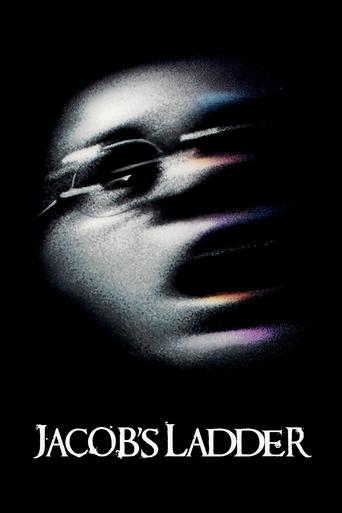
Jacob's Ladder
Adrian Lyne · 1990 · Film
Shares a bleak, unforgiving tone.
75% shared signal
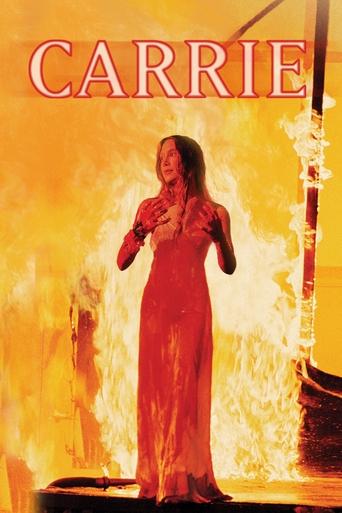
Carrie
Brian De Palma · 1976 · Film
Shares analog-era texture.
75% shared signal
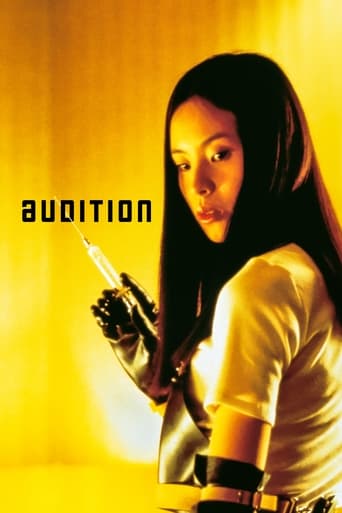
Audition
Takashi Miike · 1999 · Film
Shares human monsters.
73% shared signal
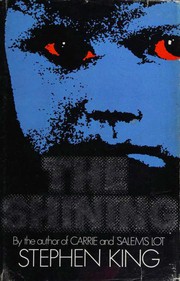
The Shining
Stephen King · 1977 · Book
Shares a bleak, unforgiving tone.
71% shared signal
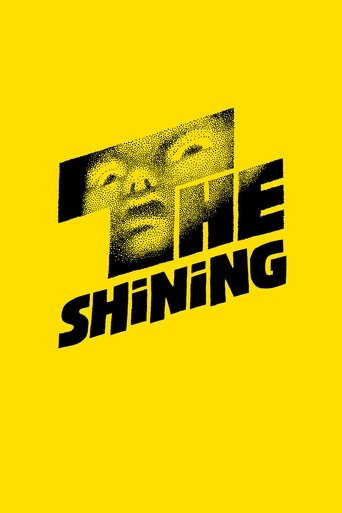
The Shining
Stanley Kubrick · 1980 · Film
Shares analog-era texture.
70% shared signal
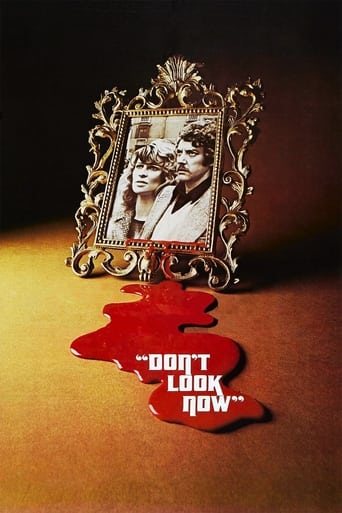
Don't Look Now
Nicolas Roeg · 1973 · Film
Shares dream logic.
69% shared signal
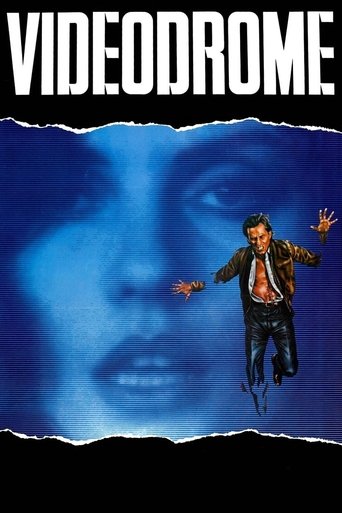
Videodrome
David Cronenberg · 1983 · Film
Shares dream logic.
68% shared signal
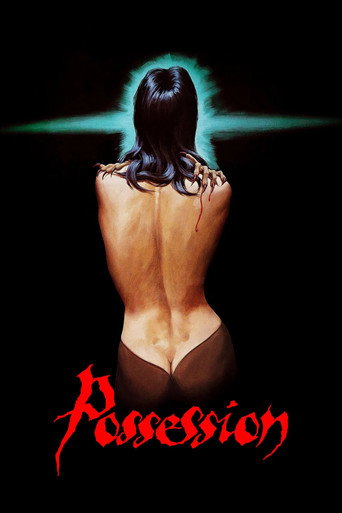
Possession
Andrzej Zulawski · 1981 · Film
68% shared signal
Questions about Threnody for the Victims of Hiroshima
The things people actually ask about this record, answered.
How does Threnody for the Victims of Hiroshima end?
On a single enormous sustained quarter-tone cluster, held at full force — the closest the piece comes to a chord and the only point that reads as a lament. It is then cut dead, with no decay, no cadence and no resolution to any key.
Was Threnody written about Hiroshima?
Not originally. Penderecki composed it in 1960 as a string-sonority experiment and entered it in a competition as 8'37". He added the Hiroshima dedication after hearing it performed, saying the piece itself had suggested it to him.
What is a threnody?
A song of lamentation for the dead — a funeral ode. The title is a claim about the piece's function rather than its subject, and the work's three-part shape follows a lament's structure much more closely than its sound suggests.
What instruments are in Threnody?
Fifty-two string instruments and nothing else — no winds, no percussion, no electronics. Penderecki asks them to play above their notated range, to bow the bridge and tailpiece, to strike their own bodies, and to stack quarter-tone clusters dense enough that pitch disappears.
Where have I heard Threnody before?
Most likely Part 8 of Twin Peaks: The Return, where Lynch plays it over the Trinity nuclear test. Kubrick used Penderecki's music in The Shining, and the opening fifteen seconds have appeared in trailers for decades.
Is Threnody the scariest thing in your index?
On our scoring, close to it. We put it at 002 on tone — the floor of the scale — and 090 on the threat axis, which is the highest in this medium. It is also eight and a half minutes long, which makes it the most efficient dread in the whole index.
These are ranked against Threnody for the Victims of Hiroshima, not against you.
Build your own tape →