Psychological horror: where the damage lands in the mind
17 works in the index tagged PSYCHOLOGICAL, across films, books and web series, each scored on six axes of fear against a published rubric.
Psychological horror is usually defined by what it withholds, which makes it easy to claim and hard to check. On this site it has a number. The seventeen works here sit at a median of 030 on the viscera axis against 058 for everything else we have scored, a gap of 28 points: the damage lands in a mind rather than on a body, and that is what the difference looks like from outside. What the tag does not tell you is where the threat comes from — Psycho scores 096 for a human one, and The Turn of the Screw 050 for a question nobody in the book can answer. Four of them are novels, which is where the form was invented.
17 scored and reviewed · 1898–2024 · the rubric
What psychological horror looks like on the axes
The median work tagged psychological against the median of the other 303 in the index, on the five axes where the comparison says something. Era bias is left out: in film, television and records it tracks the release year, so a gap there would describe when these were released rather than what they are.
- Viscera 030 against 058 for everything we have scored that is not tagged psychological, 28 points below — restraint over gore.
- Pace of fear 030 against 056 for everything we have scored that is not tagged psychological, 26 points below — slow-burn dread.
- Threat 055 against 038 for everything we have scored that is not tagged psychological, 17 points above — human monsters.
- Tone 016 against 024 for everything we have scored that is not tagged psychological, 8 points below — a bleak, unforgiving tone.
- Reality anchor 058 against 050 for everything we have scored that is not tagged psychological, 8 points above — dream logic.
Every psychological horror work we have scored
All 17, oldest first, with all six scores. The last column is the signature axis — the one the work is furthest from the middle on.
| Title | Year | Medium | Pace | Threat | Viscera | Era | Tone | Reality | Signature |
|---|---|---|---|---|---|---|---|---|---|
| The Turn of the Screw | 1898 | Book | 8 | 50 | 6 | 2 | 20 | 66 | Era Bias |
| The Haunting of Hill House | 1959 | Book | 10 | 45 | 8 | 8 | 18 | 52 | Viscera / Era Bias (tied) |
| Psycho | 1960 | Film | 40 | 96 | 18 | 2 | 22 | 12 | The Threat |
| We Have Always Lived in the Castle | 1962 | Book | 12 | 88 | 16 | 10 | 44 | 40 | Era Bias |
| The Shining | 1977 | Book | 30 | 52 | 44 | 18 | 16 | 58 | Tone |
| The Shining | 1980 | Film | 28 | 58 | 30 | 10 | 18 | 62 | Tone |
| Cure | 1997 | Film | 14 | 80 | 54 | 36 | 6 | 52 | Tone |
| Session 9 | 2001 | Film | 16 | 74 | 26 | 36 | 12 | 40 | Tone |
| Lake Mungo | 2008 | Film | 6 | 40 | 4 | 70 | 12 | 8 | Viscera |
| Oculus | 2013 | Film | 54 | 25 | 34 | 80 | 16 | 68 | Tone |
| The Babadook | 2014 | Film | 30 | 40 | 26 | 80 | 14 | 58 | Tone |
| Goodnight Mommy | 2014 | Film | 32 | 86 | 74 | 80 | 8 | 26 | Tone |
| Petscop | 2017 | Web series | 12 | 72 | 10 | 40 | 6 | 78 | Tone |
| Cult of Chucky | 2017 | Film | 52 | 52 | 64 | 84 | 38 | 66 | Reality Anchor |
| The Lighthouse | 2019 | Film | 34 | 55 | 44 | 74 | 42 | 84 | Reality Anchor |
| Pearl | 2022 | Film | 44 | 94 | 76 | 70 | 30 | 22 | The Threat |
| Smile 2 | 2024 | Film | 76 | 14 | 82 | 90 | 10 | 66 | Tone |
All 17 in release order
With the cover, the creator, and the one line that says why it is here.
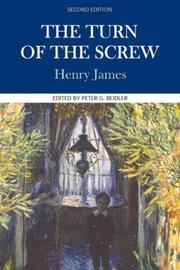
The Turn of the Screw
Henry James · 1898 · Book
A ghost story that may be a nervous breakdown. James never tells.

The Haunting of Hill House
Shirley Jackson · 1959 · Book
Whatever walked there, walked alone. The gold standard for restraint.
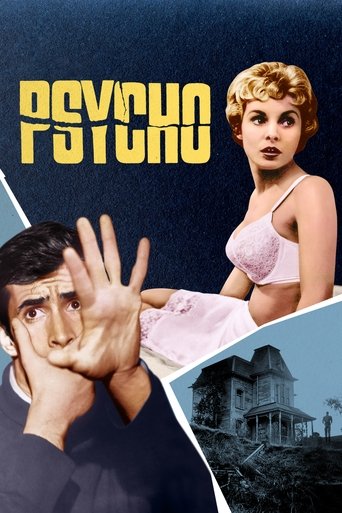
Psycho
Alfred Hitchcock · 1960 · Film
The most famous murder in cinema and the knife never once touches skin.
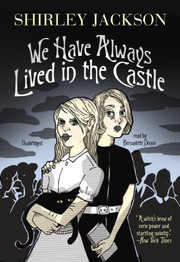
We Have Always Lived in the Castle
Shirley Jackson · 1962 · Book
Cosy and poisonous in equal measure. The village is the threat.
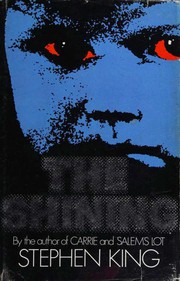
The Shining
Stephen King · 1977 · Book
The novel is about alcoholism. The hotel is just the venue.
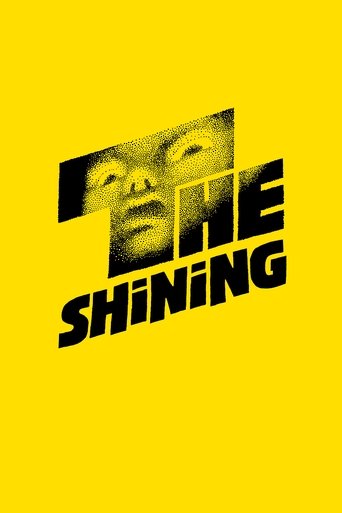
The Shining
Stanley Kubrick · 1980 · Film
A hotel doing slow arithmetic on a family. The dread is architectural.
Cure
Kiyoshi Kurosawa · 1997 · Film
Every killer is caught at the scene, remembers nothing, and has carved the same X.
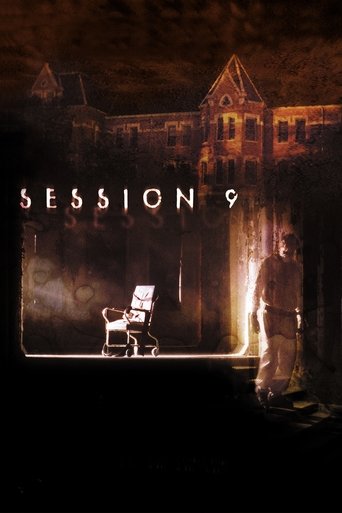
Session 9
Brad Anderson · 2001 · Film
An asbestos crew in an empty asylum. The building wins on patience.
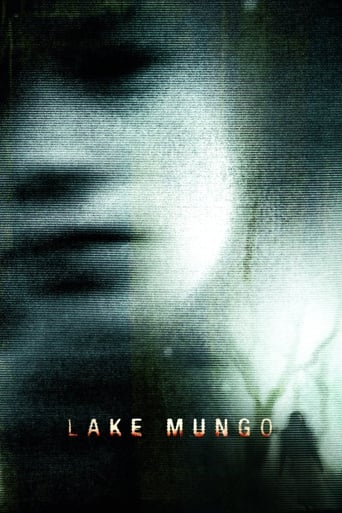
Lake Mungo
Joel Anderson · 2008 · Film
A mock-documentary about grief that hides its worst image in plain sight.
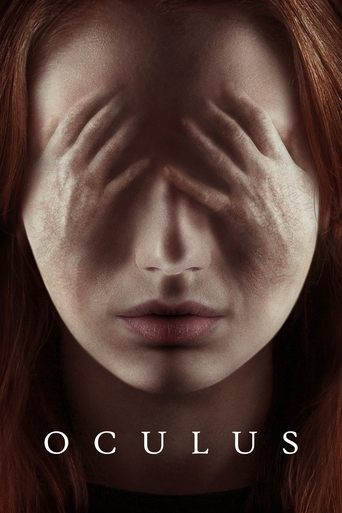
Oculus
Mike Flanagan · 2013 · Film
Two timelines braided until neither is trustworthy. Cleverer than its poster.
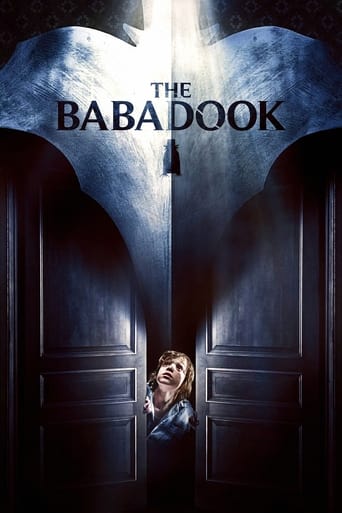
The Babadook
Jennifer Kent · 2014 · Film
Grief with a pop-up book. The monster is not subtle and doesn't need to be.
Goodnight Mommy
V. Franz & S. Fiala · 2014 · Film
Their mother comes home with her face bandaged, and the twins decide she is not their mother.
Petscop
Tony Domenico · 2017 · Web series
A broken children's game about catching pets, and underneath it a family nobody escaped.
Cult of Chucky
Don Mancini · 2017 · Film
An asylum where saying the doll moved is a symptom. Then there are more dolls.

The Lighthouse
Robert Eggers · 2019 · Film
Two men, one rock, and a slow collapse of the difference between them.
Pearl
Ti West · 2022 · Film
Before the farmhouse, a girl who wanted to be looked at and a mother who would not allow it.
Smile 2
Parker Finn · 2024 · Film
A pop star on a comeback tour watches a man kill himself, and now it is her turn to pass it on.
What people compare these to
The works on this page that get asked about by name. Each list is ranked against that work’s own six-axis fingerprint rather than against this tag.
- Movies like The Shining
- Movies like The Lighthouse
- Movies like The Babadook
- Movies like Lake Mungo
- Movies like Session 9
- Movies like Psycho
Questions about psychological horror
What is psychological horror?
Horror in which the threat does its work on a mind rather than a body. The test is not whether anything supernatural happens, because it often does — it is whether the frightening part would survive being explained. A creature you can see is still frightening once you know what it is; a narrator you cannot trust is not fixed by any answer, which is why psychological horror tends to end without one. On the six axes we publish it reads as restraint: a median of 030 on viscera against 058 for the rest of the index.
What is the difference between psychological horror and a psychological thriller?
Where the pressure points. A psychological thriller wants you to find out, and gives you a protagonist trying to; the tension is in the gap before the answer. Psychological horror wants you to stop looking, and the gap never closes. Psycho is the useful case because it is both in sequence — a thriller about stolen money for forty minutes, then something else for the rest, and the switch is the most famous cut in the genre.
Why is Hereditary not on this page?
Because the index disagrees with the shelf it usually sits on. Hereditary scores 055 on viscera, on the explicit side of the midpoint, and its horror resolves: there is a cult with a name and a demon with a plan. It is a grief film and an occult film and one of the best films we have scored. Psychological horror is the thing it stops being in the last twenty minutes, and a page that measures cannot list it here just because every other list does.
Are there psychological horror books as well as films?
Four of the seventeen works tagged here are novels, and the oldest predates horror cinema entirely. The Turn of the Screw was published in 1898 and spends its whole length refusing to say whether the governess is seeing ghosts or coming apart; The Haunting of Hill House does the same thing to Eleanor sixty years later. Psychological horror had a half-century on the page before film arrived, and the novels we have scored for restraint rank every one of them on the axis this tag is built on.
How many psychological horror works are in this index?
17, from 1898 to 2024, across films, books and web series. Every one is scored on all six axes and reviewed in full. Tags here mark what a work is about or built from; the six axes are what we measure, and they are the part you can argue with.
Is psychological horror a subgenre?
We would rather call it a tag and point at the measurement. It does hold an axis: the median work tagged psychological sits 28 points below the rest of the index on viscera, which is a wider gap than most tags here manage. The subgenre guides are the pages where a term has a definition and a history worth writing out.
Tags are a blunt instrument. The axes are not.
Build your tape →